Rent or Buy in Toronto - Which Is More Affordable in 2026
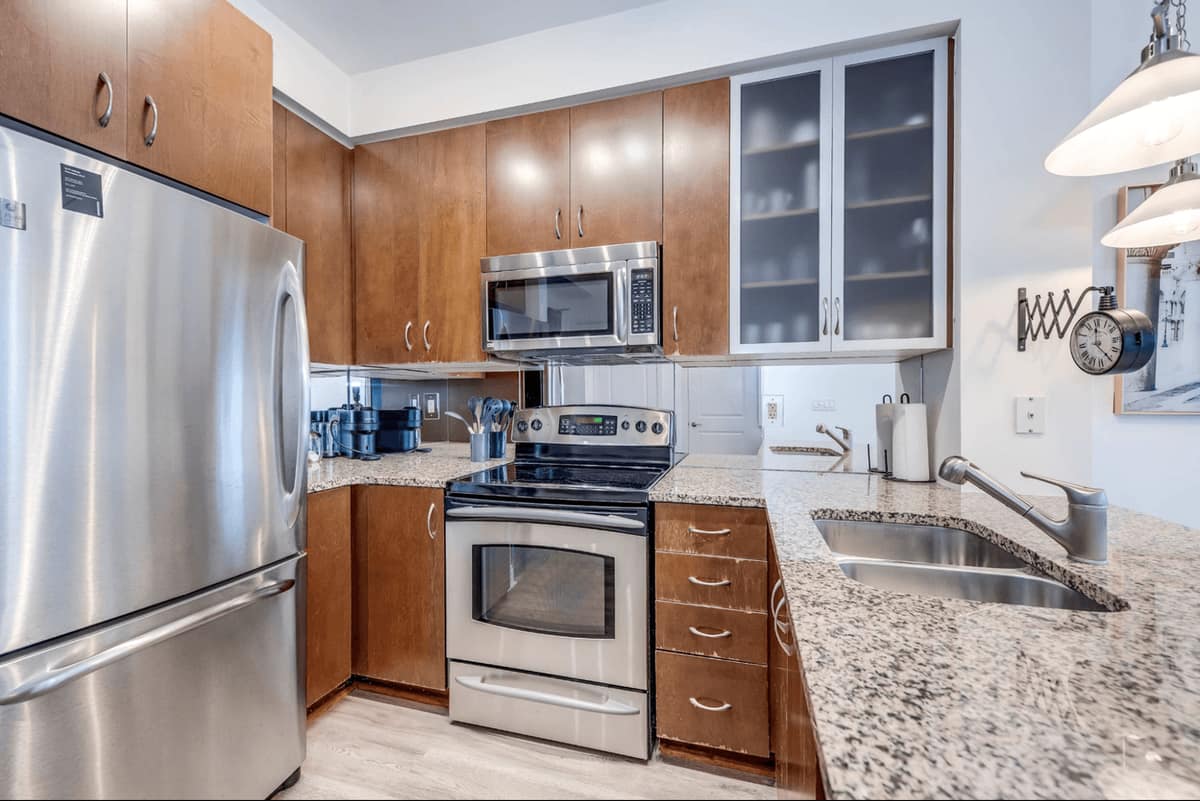
Compare renting vs buying in Toronto to see which is more affordable in 2026.
Toronto has always been a city of ambition, but in 2026, the question of where to lay your head has become a complex math problem. With the Big Smoke continuing to expand its footprint as North America’s tech and financial powerhouse, the real estate landscape has shifted. Whether you’re looking at a sleek condo in the Entertainment District or a semi-detached in Leslieville, the choice between signing a lease and signing a mortgage has never been more critical.
In 2026, Toronto's affordability is no longer a simple binary. It is a tug-of-war between immediate monthly cash flow and long-term wealth accumulation. In this guide, we’ll break down the raw numbers, the lifestyle trade-offs, and the 2026 market trends to help you decide which path fits your financial reality.
The 2026 Financial Snapshot - Renting vs. Owning
To understand the current climate, we have to look at the numbers. While the frenetic price hikes of the early 2020s have stabilized, the entry fee for Toronto real estate remains high.
The Cost of Owning
The average home price in the Greater Toronto Area (GTA) currently hovers around $1,111,535. While median prices for condominium apartments have seen a slight cooling, averaging approximately $545,000, the borrowing costs tell a different story. With fixed mortgage rates sitting in the mid-4% to 5% range, a standard mortgage on a median-priced home can easily exceed $4,500 to $5,500 per month once you factor in property taxes and insurance.
The Cost of Renting
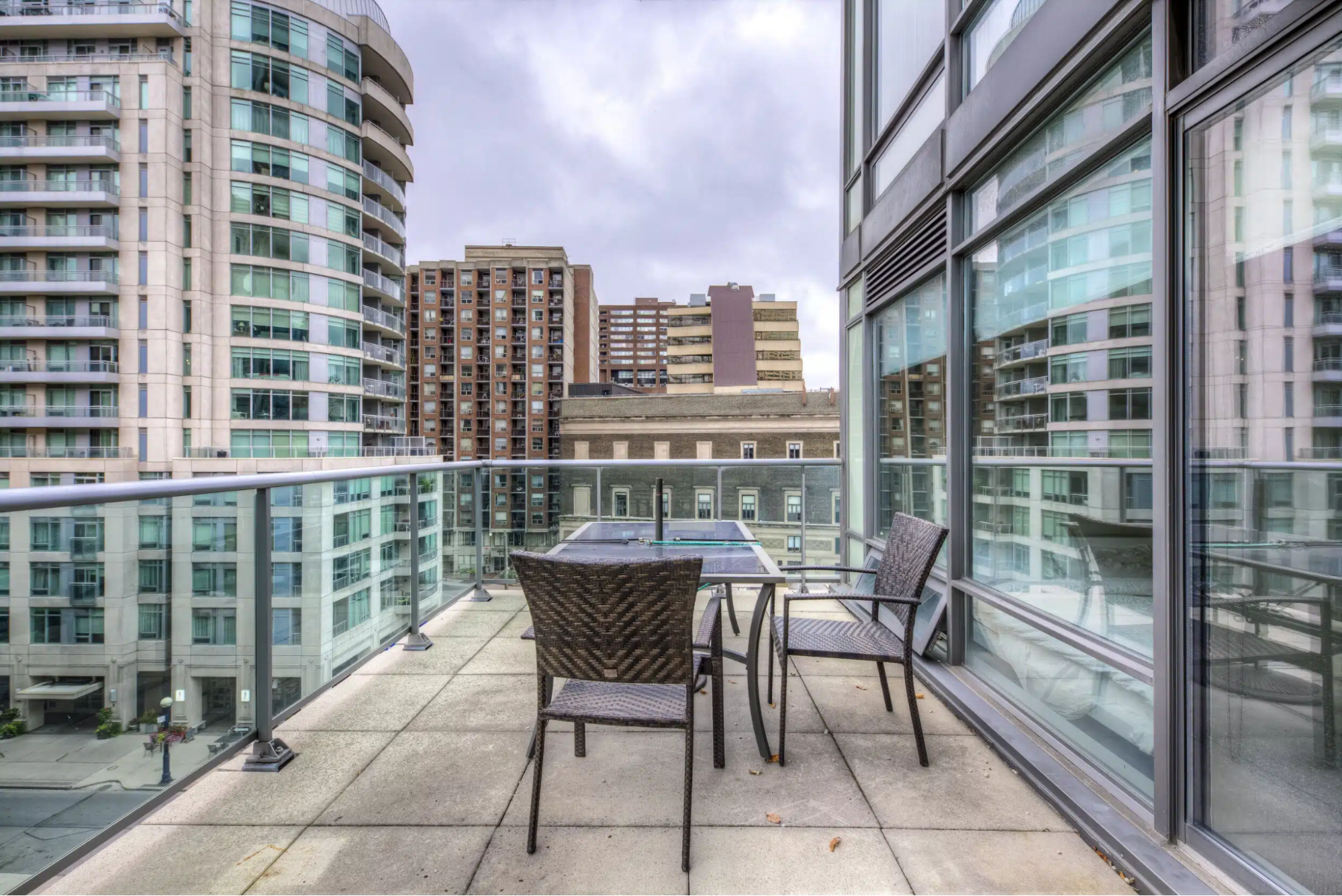
Conversely, the rental market is seeing a unique moment of relief. Increased supply from completed construction projects and a stabilization in immigration patterns have pushed the national average for a two-bedroom unit to around $2,125. In Toronto's core, you can expect to pay closer to $2,800 to $3,200 for a modern two-bedroom, but this still represents a significant monthly discount compared to the carrying costs of ownership.
In 2026, a typical renter in Toronto can save upwards of $2,000 per month in pure cash flow compared to a homeowner with a fresh mortgage on a similar property.
The Case for Renting - Flexibility and Cash Flow
For many, renting was once seen as throwing money away. In the current economy, that narrative has flipped. Renting is now often viewed as a strategic move for capital preservation.
1. Maintenance and Hidden Costs
One of the most understated benefits of renting is the $0 maintenance bill. As a homeowner, you are the Chief Maintenance Officer. When an HVAC system fails or a roof leaks, the bill is yours. In Toronto, where many older homes require significant upkeep, these costs can add 1% to 2% of the home's value to your annual expenses.
2. Predictable Budgeting
The Ontario government has set the 2026 Rent Increase Guideline at 2.1%. This provides a level of predictability that homeowners with variable-rate mortgages or those facing rising property tax assessments (which saw a 0.7% residential increase this year) simply don't have.
3. Mobility and Opportunity Cost
The Opportunity Cost is the real winner for renters. If you take the $200,000 you would have used for a down payment and invest it in a diversified portfolio with an average return of 6-7%, that capital remains liquid. You aren't house poor; you are investment rich. For those looking for short-term stays or curated experiences, Toronto Boutique Apartments offers a bridge between the flexibility of renting and the luxury of high-end living.
The Case for Owning - The Long-Term Equity Play
If renting is about the now, buying is about the next decade. Despite high entry costs, ownership remains the primary vehicle for wealth building in Canada.
1. The Power of Equity
Every mortgage payment is a mix of interest (the cost of borrowing) and principal (your savings account). Over a 25-year amortization, you aren't just paying for shelter; you are forcing yourself to save. By the time 2036 rolls around, the renter may have a robust stock portfolio, but the homeowner has a multi-million dollar asset that is largely tax-exempt upon sale thanks to the Principal Residence Exemption.
2. Stability and Control
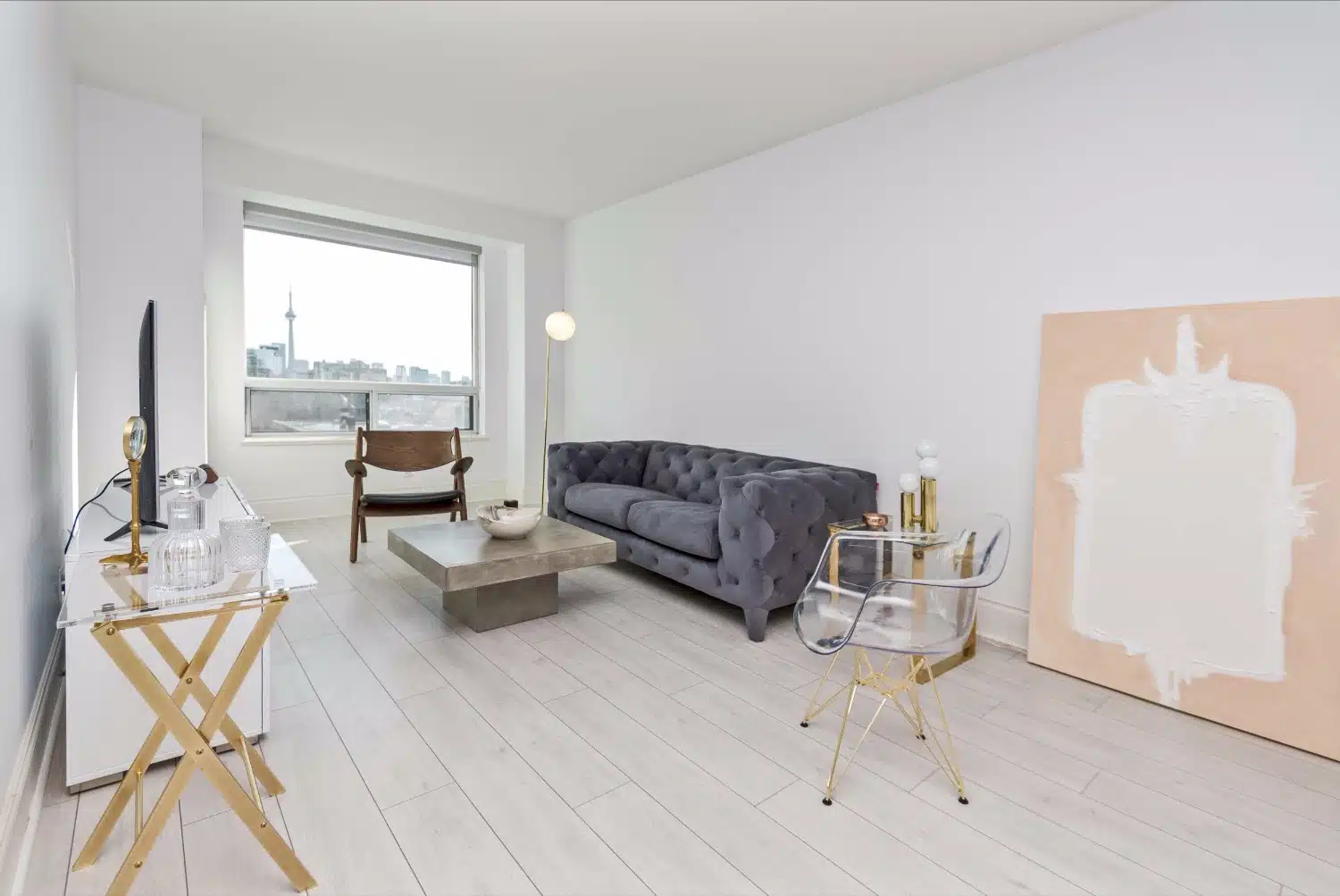
Renters are always subject to the whims of the market and the Landlord and Tenant Board. Buying provides housing security. No one can sell the roof over your head or move their N12 family member into your bedroom. Furthermore, the freedom to renovate, to turn a basement into a rental suite or a spare room into a high-tech studio, is a luxury only owners enjoy.
3. Historical Appreciation
While the market has seen some year-over-year dips (with single-detached homes down roughly 8% in early 2026), the long-term trajectory of Toronto real estate has historically trended upward. According to The Canadian Real Estate Association (CREA), Toronto remains one of the most resilient markets in the country due to its status as a global hub.
Neighbourhood Affordability Matrix (2026 Data)
If you are determined to stay in the city, where you look matters as much as what you buy or rent.
Neighborhood
Avg. Rent (2-Bed)
Avg. Sale Price (Condo)
Affordability Rating
Rockcliffe-Smythe
$2,350
$510,000
High
Weston
$2,200
$495,000
High
Yonge-Bay Corridor
$3,400
$780,000
Low
High Park North
$2,950
$690,000
Medium
Is Rent-to-Own a Middle Ground?
In 2026, we are seeing a surge in alternative models. If you can't afford the 20% down payment but want to stop renting, Rent-to-Own (RTO) programs are gaining traction in the GTA. These programs allow you to lock in a purchase price today while living in the home as a tenant, with a portion of your rent going toward a future down payment. It’s a hybrid model designed for those who believe Toronto prices will continue to climb but lack the immediate liquid capital to jump in.
Frequently Asked Questions
1. Is it cheaper to rent or buy a condo in downtown Toronto right now?
In 2026, renting is significantly more affordable on a monthly basis. Due to high interest rates and the double Land Transfer Tax in Toronto, the monthly carry cost of a mortgage (plus condo fees and taxes) is often $1,500 to $2,500 higher than the average rent for an equivalent unit. Renting allows you to keep your capital liquid while enjoying the same downtown lifestyle.
2. What are the hidden costs of buying a home in Toronto?
Beyond the purchase price, Toronto buyers must budget for two Land Transfer Taxes (Provincial and Municipal), which can add up to $30,000–$50,000 on a median-priced home. Additionally, homeowners should set aside 1% of the property value annually for maintenance, a cost that is entirely covered by the landlord when you rent.
3. Does Toronto have rent control in 2026?
Yes, but with a major catch. Units first occupied for residential purposes after November 15, 2018, are generally exempt from the provincial rent increase guideline. If you are looking for long-term budget stability, it is often better to look for older, established boutique buildings where annual increases are capped at the government-set limit (2.1% for 2026).
4. How much down payment do I need for a house in the GTA?
For homes priced over $1 million, which includes most detached houses in the GTA, a minimum down payment of 20% is required by law. For a typical $1.1M home, this means you need at least $220,000 in cash upfront, not including closing costs. Renting allows you to live in these premium neighbourhoods without such a massive initial capital outlay.
5. Should I rent if I only plan to stay in Toronto for 2–3 years?
Absolutely. Because of the high transaction costs of buying and selling real estate (real estate commissions, legal fees, and taxes), it typically takes 5 to 7 years of property appreciation just to break even. For anyone on a shorter timeline, renting provides far superior financial flexibility and lower overall risk.
Final Verdict
In the immediate term (1–5 years), renting is the clear winner for affordability. The gap between monthly rent and mortgage carry costs is too wide to ignore, especially with high interest rates.
However, if your horizon is 10 years or longer, and you have the stomach for the initial costs, buying remains the superior wealth-building tool.
For more insights on the Toronto lifestyle and finding the perfect temporary or long-term residence, check out our listings at Toronto Boutique Apartments or stay updated with the latest City of Toronto housing reports to make an informed choice.
Don't rush into a mortgage because of FOMO. In 2026, the smart money is on whatever choice allows you to stay financially flexible while enjoying everything this world-class city has to offer.
Furnished monthly rentals Toronto · Search availability · View this page