Short-Term Rentals vs Hotels in Toronto
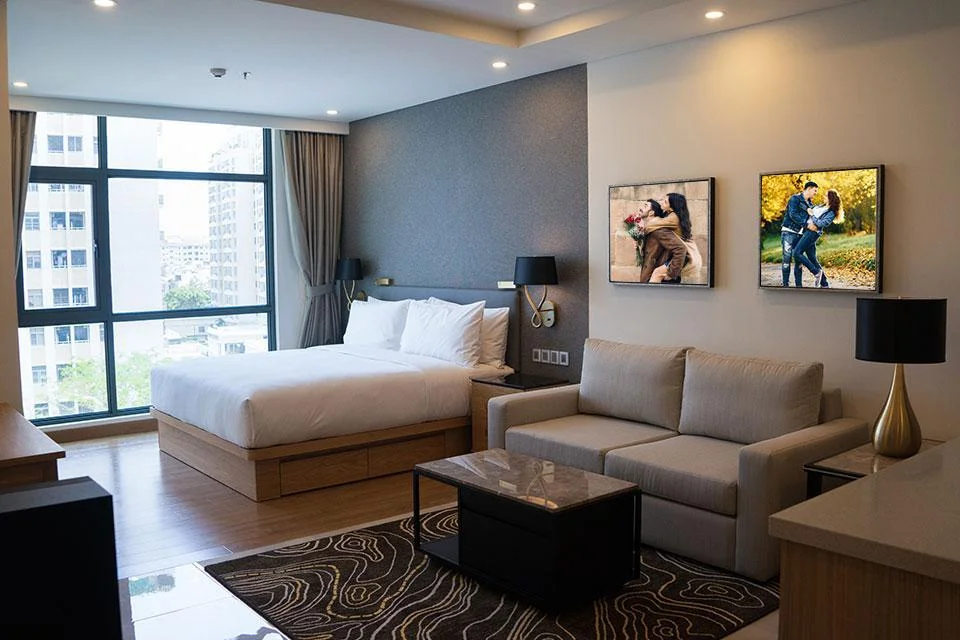
Compare short-term rentals vs hotels in Toronto for comfort, cost, and convenience.
When planning a trip to Toronto, one of the most crucial decisions you’ll need to make is where to lay your head. As Canada’s largest metropolis, the city offers a wide array of accommodation options, from the sleek glass towers of the Financial District to the heritage-rich streets of the Distillery District.
In 2026, the landscape of the Short-Term Rentals vs. Hotels in Toronto debate has shifted significantly due to new municipal regulations and evolving traveller expectations. The best choice no longer depends just on price, but on the length of your stay, the size of your group, and how much you value living like a local versus being pampered.
Understanding the 2026 Landscape
Before diving into the pros and cons, it is essential to understand the current rules in Toronto. The city has implemented some of the strictest short-term rental (STR) bylaws in North America to protect the housing market.
- The Principal Residence Rule - Legally, an STR in Toronto must be the host's primary residence. This means ghost hotels (entire buildings of Airbnbs) are largely a thing of the past.
- The 180-Night Cap - Hosts can only rent their entire home for a maximum of 180 nights per year.
- Tax Equality - As of June 1, 2025, the Municipal Accommodation Tax (MAT) in Toronto was increased to 8.5% for both hotels and short-term rentals. This eliminates the tax-break advantage STRs once held.
Short-Term Rentals - The Home Away From Home Experience
Short-term rentals, typically found on platforms like Airbnb, VRBO, or specialized boutique agencies like Toronto Boutique Apartments, offer a residential experience that hotels struggle to replicate.
The Advantages
- More Space and Privacy - For families or groups, a multi-bedroom rental is almost always superior to booking two or three separate hotel rooms. You get a shared living room to congregate in and private bedrooms for rest.
- Full Kitchen & Laundry - Having a stove and a full-sized fridge isn't just about saving money (though it does!); it’s about the convenience of a 2:00 AM snack or being able to wash your gym clothes without paying $10 per sock for hotel laundry services.
- Authentic Neighbourhood Vibes - Hotels are concentrated in the Downtown Core. Rentals allow you to stay in real neighbourhoods like Leslieville, The Annex, or High Park, where you can find the best local coffee shops and hidden-gem parks.
The Disadvantages
- Inconsistent Quality - Since these are private homes, the feel can vary. One might have a plush memory foam mattress, while the next has a squeaky frame from the 90s.
- The Chore List - Many STRs require guests to take out the trash or start a load of towels before leaving, despite charging a cleaning fee.
- Lack of On-Site Support - If a pipe bursts or the Wi-Fi goes down at 11:00 PM, you are at the mercy of a host’s response time rather than a 24/7 front desk.
The Hotel Experience - Reliability and Service

Hotels remain the gold standard for travellers who want to be off duty. From boutique spots in Yorkville to the high-rises near Union Station, they offer a frictionless stay.
The Advantages
- Service-Oriented - Daily housekeeping, 24-hour room service, and a concierge who can snag you a last-minute table at a Michelin-starred restaurant are perks you won't find in a rental.
- Predictable Standards - When you book a 4-star hotel, you know exactly what the towels will feel like, how the check-in process works, and that the gym will be open at 6:00 AM.
- Safety and Security - Hotels feature security staff, key-card-restricted elevators, and in-room safes, which can be a major peace of mind for solo travellers.
The Disadvantages
- The Hotel Tax on Living - Beyond the room rate, the costs of eating every meal out and paying for valet parking (which can exceed $50/night in Toronto) add up quickly.
- Limited Space - Standard hotel rooms in Toronto average about 300-350 square feet. This can feel claustrophobic after more than a few days, especially if you are working remotely.
Cost Comparison - A Deep Dive
Is a rental actually cheaper? In 2026, the gap has narrowed, but the hidden savings of rentals still hold weight for certain durations.
Sample Weekly Budget in Downtown Toronto (Estimated CAD)
Expense Type
Hotel (Mid-Range)
Short-Term Rental (1-BR)
Nightly Rate
$275
$195
Weekly Total
$1,925
$1,365
8.5% MAT Tax
$163.63
$116.03
Cleaning Fee
$0
$120
Food (Eating out vs. Grocery)
$700+
$250
TOTAL
$2,788.63
$1,851.03
The Verdict on Cost - For a 1–2 night stay, the hotel often wins because the rental's one-time cleaning fee inflates the per-night cost. However, for a week-long stay, a short-term rental can save a traveller over $900.
For stays longer than 28 days, some rentals are exempt from the 8.5% MAT, making them significantly more attractive for digital nomads or those relocating to the city. Check the City of Toronto's official tax guidelines for the latest updates.
Hybrid Options (The Best of Both Worlds?)
One of the biggest trends in Toronto for 2026 is the rise of Professional Short-Term Rentals. Companies like Sonder or local boutique providers manage entire blocks of units within residential buildings.
These offer:
- Hotel-style professional cleaning and standardized linens.
- Apartment-style layouts with full kitchens.
- Keyless entry and 24/7 digital support.
If you are torn between the two, these apart-hotels provide the reliability of a hotel with the square footage of a condo. You can explore a variety of these premium layouts at Toronto Boutique Apartments to see how they differ from standard listings.
Location Strategy - Where Should You Stay?
Toronto is a city of neighbourhoods. Your choice of accommodation should align with your itinerary.
- For Business - Stick to the Financial District or Entertainment District hotels. You’ll be within walking distance of the PATH (Toronto's massive underground walkway) and major office towers.
- For Nightlife - Look for rentals in King West or Liberty Village. This is the heart of Toronto’s see and be seen scene.
- For Culture & Food - Kensington Market and Chinatown offer an incredible sensory experience. While hotels are scarce here, the short-term rentals are often tucked into charming Victorian houses.
- For Luxury - Yorkville is the place to be. Whether it's the Four Seasons or a high-end furnished suite, this is Toronto's high-fashion hub.
Which Is Better For You? (The Decision Matrix)
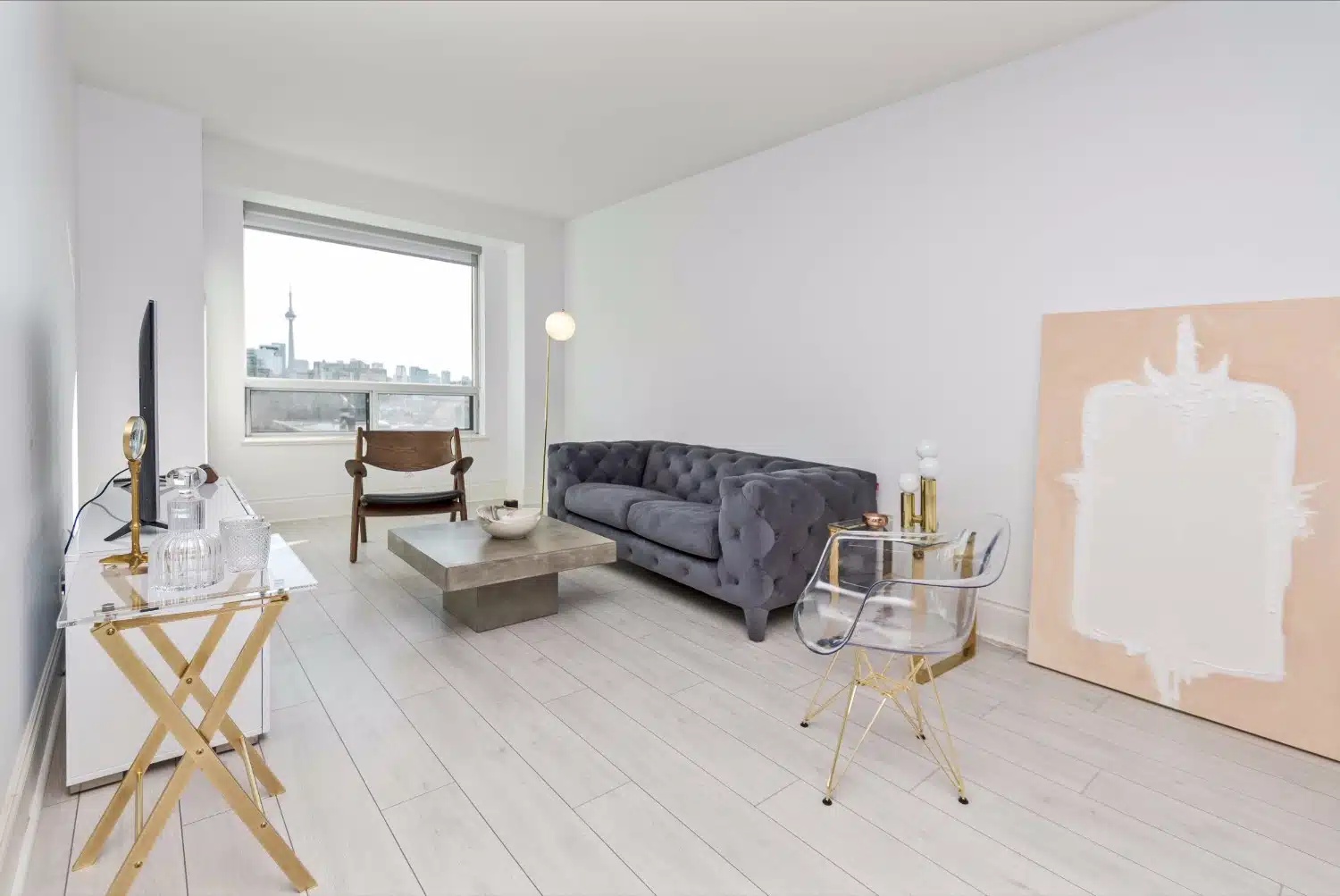
Choose a Short-Term Rental if:
- You are staying for 5 nights or longer.
- You are travelling with a family or group.
- You have dietary restrictions and need to cook your own meals.
- You are a digital nomad who needs a dedicated workspace and high-speed, private Wi-Fi.
Choose a Hotel if:
- You are in town for a quick 48-hour blast.
- You want to earn loyalty points (Marriott Bonvoy, Hilton Honours, etc.).
- You want the security of a 24/7 staff presence.
- You enjoy the social atmosphere of hotel bars and lobbies.
Final Thoughts
The choice between Short-Term Rentals vs. Hotels in Toronto isn't about which is better in a vacuum; it's about which is better for this specific trip.
If you want the pampering of fresh towels every morning and a mint on your pillow, the hotel wins. But if you want to wake up, brew a fresh pot of coffee in your pyjamas, and look out over the CN Tower from your own private balcony, a short-term rental offers a soul to your stay that a standard hotel room simply can’t match. Choosing nights versus months is a different decision — see short-term vs long-term rentals in Toronto if your dates might stretch past a weekend.
Ready to find your perfect Toronto home base? Browse furnished monthly rentals Toronto and start planning your 6ix experience today.
Furnished monthly rentals Toronto · Search availability · View this page