Choosing Between A Furnished And An Unfurnished Rental In Toronto

Choosing between a furnished and an unfurnished rental in Toronto — which is right for you?
Finding the perfect home in a competitive market like Toronto involves a complex web of decisions. Beyond neighbourhood safety, square footage, and proximity to transit, you face a foundational choice - Should you opt for a furnished or unfurnished rental?
This decision impacts your upfront moving costs, daily lifestyle, lease flexibility, and monthly budget. The right choice is rarely universal; it hinges heavily on your current life stage, career trajectory, and financial goals.
This comprehensive guide breaks down the true price differences, hidden maintenance responsibilities, and psychological trade-offs of both options. Whether you are an international professional relocating to downtown Toronto, a medical resident starting a rotation, or a local family looking for long-term stability, this analysis will clarify which path aligns with your lifestyle.
What Defines Furnished vs. Unfurnished?
To evaluate these options accurately, we must establish clear definitions. What you expect to find inside an apartment can vary significantly based on how a listing is classified.
Rental Type
Included Items & Furnishings
What is Excluded / Missing
Best For
Fully Furnished / Turn-key
Major furniture (sofa, bed, dining set), linens, towels, and small kitchenware (pots, pans, utensils). Utilities, Wi-Fi, and streaming services are often bundled in.
Personal items and clothing only.
Short-term stays, corporate relocations, international students.
Semi-Furnished
Core kitchen & laundry appliances (fridge, stove, washer/dryer) and large structural furniture (bed frames, heavy dining table).
Small decor, rugs, linens, towels, bedding, and kitchenware.
Renters who own basic soft goods but want to avoid moving heavy furniture.
Unfurnished
Major kitchen appliances only (refrigerator, stove, oven, built-in dishwasher).
All structural furniture, beds, tables, seating, decor, and household items.
Long-term tenants, families, and renters who already own their own furniture.
Fully Furnished (Turn-key)
A fully furnished rental is designed for immediate habitation. When walking through the door, you expect to find large structural furniture (bed frames, mattresses, couches, dining sets) alongside essential household items. Premium options, such as the luxury suites managed by Toronto Boutique Apartments, take this a step further by providing designer decor, high-end kitchen appliances, cookware, linens, and integrated Wi-Fi utilities. You only need a suitcase to move in.
Semi-Furnished
This intermediate category contains major kitchen appliances and a few core structural items, such as a wardrobe, a dining table, or a bed frame, but lacks smaller decorative elements, linens, and kitchenware. It serves as a middle ground for renters who own basic soft goods but do not want to move heavy furniture.
Unfurnished
An unfurnished property provides an empty canvas. In Canada, an unfurnished apartment almost always includes major kitchen appliances (refrigerator, stove, oven, and sometimes a dishwasher) and built-in light fixtures. However, all living, dining, and bedroom furniture must be provided, transported, and assembled by the tenant.
Analyzing the Price Difference Between Furnished and Unfurnished Rentals

Financial variables represent the most significant differentiator between these two housing models. Understanding the mechanics of the premium charged for furnished units helps clarify long-term budgeting.
The Premium Breakdown
The direct price difference between a furnished and unfurnished rental typically ranges from 15% to 50%. In major metropolitan centers like Toronto, this premium is driven by convenience, utility integration, and the landlord's asset depreciation costs.
To visualize how this plays out financially over time, look at this baseline comparison of a standard one-bedroom apartment:
Financial Metric
Unfurnished Unit
Fully Furnished Unit
Average Monthly Rent
$2,400
$3,100
Initial Move-In Costs
$4,800 (First/Last) + $4,500 (Furniture)
$6,200 (First/Last) + $0 (Furniture)
Utilities & Internet
Tenant pays separately (~$150/mo)
Included in rent
Moving Truck / Labor
$500 – $1,500
$0 (Suitcase only)
Total Year 1 Cost
$35,900
$37,200
The Tipping Point - Doing the Math
While a furnished apartment carries a higher monthly rent, it eliminates massive upfront capital expenditures. Purchasing quality furniture, a premium mattress, kitchen essentials, linens, and electronics for an unfurnished one-bedroom apartment easily requires an initial investment of $4,000 to $7,000.
If you plan to live in a city for less than 18 months, paying the monthly premium for a furnished unit is often more economical than purchasing furniture, managing the logistics of delivery, and selling those assets at a loss when moving out. Conversely, for tenancies spanning two years or longer, the upfront cost of buying your own furniture amortizes effectively, making an unfurnished rental the financially superior choice.
The Pros and Cons of a Furnished Rental
The Advantages
- Unparalleled Convenience and Time-Saving - The traditional moving process involves weeks of packing, heavy lifting, logistical coordination with moving companies, and hours assembling flat-pack furniture. A furnished rental eliminates this friction entirely. You can wrap up a move in an afternoon.
- Flexibility for Fluid Lifestyles - If your career requires geographic mobility or your personal life is in transition, a turn-key apartment offers incredible structural freedom. You can accept a short-term corporate assignment or move across the country without breaking a complex logistical chain.
- Mitigation of Upfront Capital Outlay - For young professionals, students, or recent immigrants, liquidity is highly valuable. Opting for a furnished space allows you to preserve capital that would otherwise be tied up in depreciating physical assets like couches and bed frames.
The Disadvantages
- The Cost Premium - Over an extended timeline, the cumulative premium of a furnished apartment will outpace the retail value of the furniture provided.
- Aesthetic and Functional Limitations - When renting a pre-furnished space, you inherit someone else’s design philosophy. If the sofa is uncomfortable or the artwork does not suit your style, your options for modification are legally and physically limited.
- Increased Liability for Wear and Tear - Living among a landlord’s or management company's possessions requires ongoing vigilance. Stains, scratches, or broken items can lead to deductions from your security deposit or contentious disputes at the end of your tenancy.
The Pros and Cons of an Unfurnished Rental

The Advantages
- Complete Personalization and Comfort - Your home is an extension of your identity. An unfurnished rental grants you the agency to curate an environment that directly reflects your design tastes, ergonomic requirements, and lifestyle habits.
- Long-Term Cost Efficiency - Once you incur the initial cost of purchasing furniture, your ongoing monthly shelter expenses drop significantly. If you remain in an unfurnished unit for several years, you save thousands of dollars compared to a furnished option.
- Asset Accumulation - High-quality furniture retains functional value across multiple homes. Purchasing timeless pieces represents an investment in assets you will own for decades.
The Disadvantages
- Heavy Upfront Moving Expenses - Furnishing a home from scratch demands a large, immediate cash injection. Beyond furniture retail costs, you must account for delivery fees, assembly tools, and professional moving labor.
- Logistical Friction and Friction Costs - Moving heavy items into downtown high-rises like the Downtown chic suite requires booking service elevators, securing street parking permits, and navigating narrow stairwells. When it is time to move again, these logistical headaches repeat.
- The Re-sale Dilemma - If your circumstances change unexpectedly and you must downsize or relocate internationally, selling off a household of furniture on short notice usually results in recovering pennies on the dollar.
Identifying Which Option Aligns With Your Demographic
To determine whether it is better to rent furnished or unfurnished, evaluate where your current situation falls among these common tenant profiles.
When a Furnished Rental is the Optimal Choice
Global companies frequently rotate executives and specialized consultants into economic hubs like Toronto for projects lasting 3 to 12 months. For these professionals, finding a high-end, turn-key apartment in a central location is essential. It minimizes downtime, allowing them to focus entirely on their work responsibilities from day one.
Relocating across oceans for an undergraduate degree or a post-doctoral fellowship makes shipping furniture logistically impossible. Buying temporary furniture locally upon arrival can be stressful and expensive. A furnished suite provides immediate safety and stability during a major cultural transition.
Whether going through a separation, undergoing extensive home renovations, or testing out a new neighbourhood before purchasing property, people experiencing transitional life phases need immediate, low-stress housing stability without a multi-year commitment.
When an Unfurnished Rental is the Optimal Choice
If you have a stable career path in a specific city and plan to remain in the same apartment for three or more years, an unfurnished property provides the stability you need. It allows you to ground yourself in the community and optimize your living space for long-term comfort.
If you already accumulate a curated collection of furniture, mattresses, and family heirlooms, renting a furnished unit makes no practical sense. Paying a premium to store your own belongings while using a landlord's furniture is an inefficient use of capital.
Families with children or multi-generational households require highly specific layout configurations. Unfurnished homes offer the flexibility needed to transform a bedroom into a nursery, set up specialized home offices, or accommodate unique storage demands.
The Landlord’s Dilemma - Maximizing ROI and Managing Assets
If you are a property owner trying to decide whether to list your property as a furnished or unfurnished apartment, your decision should be guided by your target demographic, location, and tolerance for active property management.
Strategy
Property Location & Type
Financial & Tenant Goals
Management Style Required
Go Furnished
High-walkability, transit-adjacent urban cores or downtown condos.
Maximize rental yield with a 15% to 50% cash flow premium.
Active management of asset depreciation, staging, and higher tenant turnover.
Go Unfurnished
Suburban single-family homes, large townhouses, or localized neighbourhoods.
Secure long-term tenants who sign stable, multi-year leases.
Passive investing with minimal hands-on upkeep and lower ongoing maintenance.
The Case for Renting Furnished
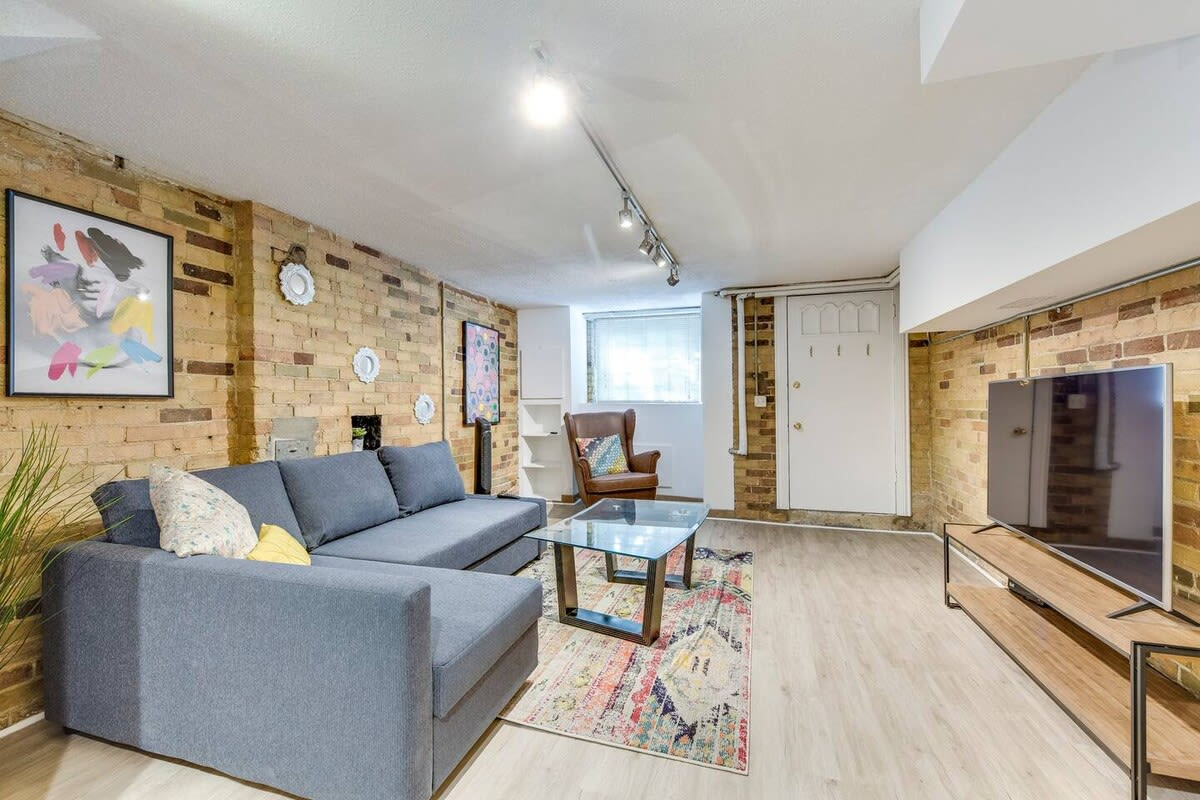
Furnishing an investment property unlocks access to high-earning, transient demographics like corporate relocations and medical professionals. This allows you to command premium rental rates. It also provides an excellent exit strategy if you plan to reoccupy the property yourself in the near future.
However, this model demands hands-on management. Furnished rentals experience higher tenant turnover, requiring frequent cleanings, staging, and a capital reserve fund to repair and replace worn items. For comprehensive rules on residential tenancies and landlord obligations in Ontario, review the Landlord and Tenant Board guidelines.
The Case for Renting Unfurnished
Listing a property as unfurnished attracts long-term tenants looking for stability. These renters treat the property as their own home, leading to significantly longer average tenancies and lower wear and tear on the building's infrastructure.
While your monthly rental income may be lower, your overhead and management efforts are minimal. You are only responsible for maintaining the structural components and core appliances, making this an ideal path for passive income investors.
If you choose to list your property unfurnished, consider using virtual staging for your online listings. This helps prospective tenants visualize the scale and potential of an empty space without the upfront cost of physical staging.
Frequently Asked Questions
1. What does a fully furnished apartment legally include in Toronto?
While Ontario’s Residential Tenancies Act (RTA) does not feature a strict, itemized statutory checklist defining a furnished unit, the industry standard for a fully furnished or turn-key suite in Toronto implies immediate livability. It includes core structural furniture (bed, mattress, sofa, dining set), major working appliances (fridge, stove, microwave, and typically an in-suite washer/dryer), and small household goods (cookware, dinnerware, essential linens, and small light fixtures). Premium providers like Toronto Boutique Apartments expand this baseline to include integrated high-speed Wi-Fi, curated artwork, utilities, and high-end electronics.
2. Can a Toronto landlord demand a higher security or damage deposit for a furnished rental?
No. Under the Ontario Residential Tenancies Act (RTA), landlords cannot legally require or collect a furniture damage deposit or any security deposit exceeding the cost of one month's rent (which must strictly be applied as the rent for the final month of the tenancy). This rule applies identically to both furnished and unfurnished rental units. Because landlords cannot collect separate damage deposits to hedge against asset depreciation, they balance their financial risk by building the cost of furniture wear and tear directly into the higher base monthly rent.
3. Who is financially responsible if furniture breaks or gets stained during a tenancy?
Responsibility depends entirely on whether the issue is classified as standard wear and tear or tenant negligence:
- Normal Wear and Tear - The landlord is legally responsible for the upkeep, repair, and eventual replacement of all items they provide. Gradual fabric fading on a couch, aging mattress springs, or a refrigerator component wearing out over time are operational overhead costs borne by the property owner. Whitegates
- Tenant Negligence or Misuse - If a tenant, their guest, or a pet causes distinct damage, such as spilling red wine on an expensive rug, shattering a glass coffee table, or tearing upholstery, the tenant is financially liable for the repair or replacement cost.
4. How do tenant insurance requirements change between furnished and unfurnished properties?
Tenant insurance (renter's insurance) is highly recommended, and frequently mandated by landlords, for both rental types, but the policy focus shifts based on what you own:
- In an Unfurnished Rental - Your content coverage needs to be high enough to replace your entire inventory of physical assets (beds, electronics, couches, clothing) in the event of fire, theft, or water damage.
- In a Furnished Rental - While the landlord’s insurance covers the structural building and their own furniture assets, you still require tenant insurance. Your policy will focus on protecting your personal belongings (laptop, clothes, jewelry) while providing crucial personal liability coverage. If you accidentally cause a pipe burst that damages the landlord's designer furniture or the building's subfloor, your liability insurance protects you from catastrophic out-of-pocket legal claims.
5. If I choose an unfurnished apartment, how long does it take to recoup the upfront cost of buying furniture?
On average, the financial tipping point in the Greater Toronto Area occurs between 14 and 18 months.
If the average rent premium for a turn-key, downtown one-bedroom apartment is $700 per month over an identical unfurnished unit, you save $8,400 in rent during your first year by going unfurnished. If your initial out-of-pocket expenses for basic furniture, delivery, and setup total $5,000, you will break even around month 7 or 8.
However, when you factor in the time spent shopping, the logistics of elevator bookings, moving labour fees, and the eventual loss incurred from selling the furniture on short notice, an unfurnished apartment only delivers true ROI if your lease spans 1.5 to 2 years or longer.
The Final Verdict
Choosing between these two paths requires matching your personal timeline with your financial reality. Stay length matters as much as furniture — compare short-term, 1–11 month, and long-term rentals in Toronto before you buy a sofa for a three-month stay.
- Opt for a furnished rental if - Your stay in the area is temporary (under 18 months), you value your time over monthly savings, you move frequently, or you want a seamless, stress-free transition into a fully equipped, designer environment.
- Opt for an unfurnished rental if - You are establishing long-term roots, already own a household of furniture, enjoy interior decoration, or want to minimize your monthly rent obligations over a multi-year timeline.
If you are planning an upcoming stay in Toronto and want to experience luxury living without the logistical headaches of a traditional move, browse furnished monthly rentals Toronto.
Connect with Our Housing Specialists
To explore our premium, designer-furnished rental suites across downtown Toronto or to schedule an in-person or virtual viewing appointment, reach out to our team today:
- Email - info@torontoboutiqueapartments.com
- Phone - 1-877-945-9263
- Office Hours - Monday – Friday, 9:00 AM – 6:00 PM EST
Furnished monthly rentals Toronto · Search availability · View this page