History of Yorkville: From Hippie Village to Luxury District
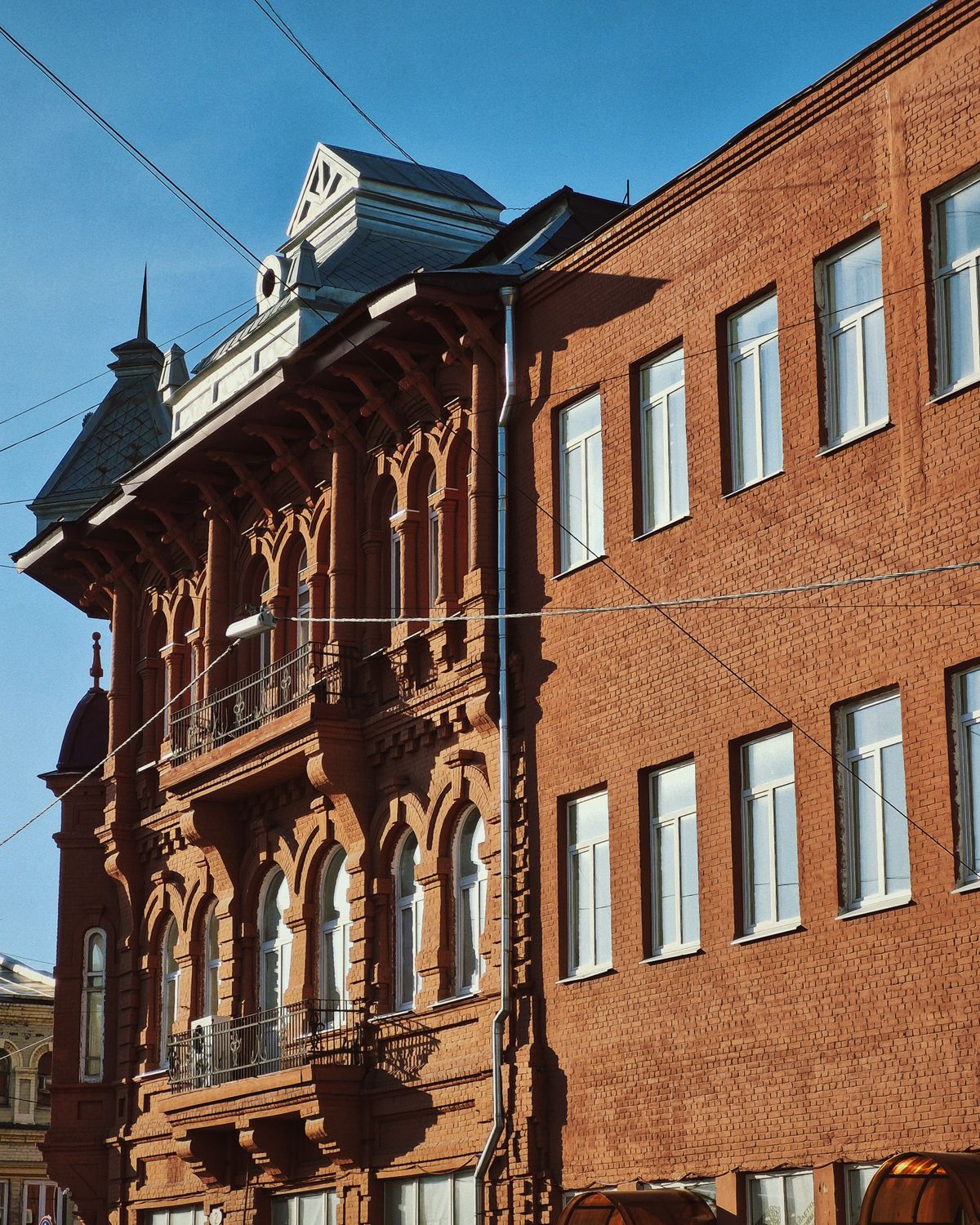
The history of Yorkville Toronto — from its 1830 founding and 1883 annexation, through Canada's 1960s hippie capital, to today's luxury condos and designer Mink Mile.
Today's Yorkville — Hermès, hotel spas, glass towers, and valet everything — would absolutely baffle a time traveler from 1968, who'd remember it as a haze of folk music, coffee houses, and patchouli. The neighbourhood has lived several lives: a separate village, a quiet Victorian suburb, the beating heart of Canada's counterculture, and finally one of North America's priciest retail strips. It's one of the great urban glow-ups, and the story is far stranger than the storefronts let on.
Village beginnings (1830) and annexation (1883)
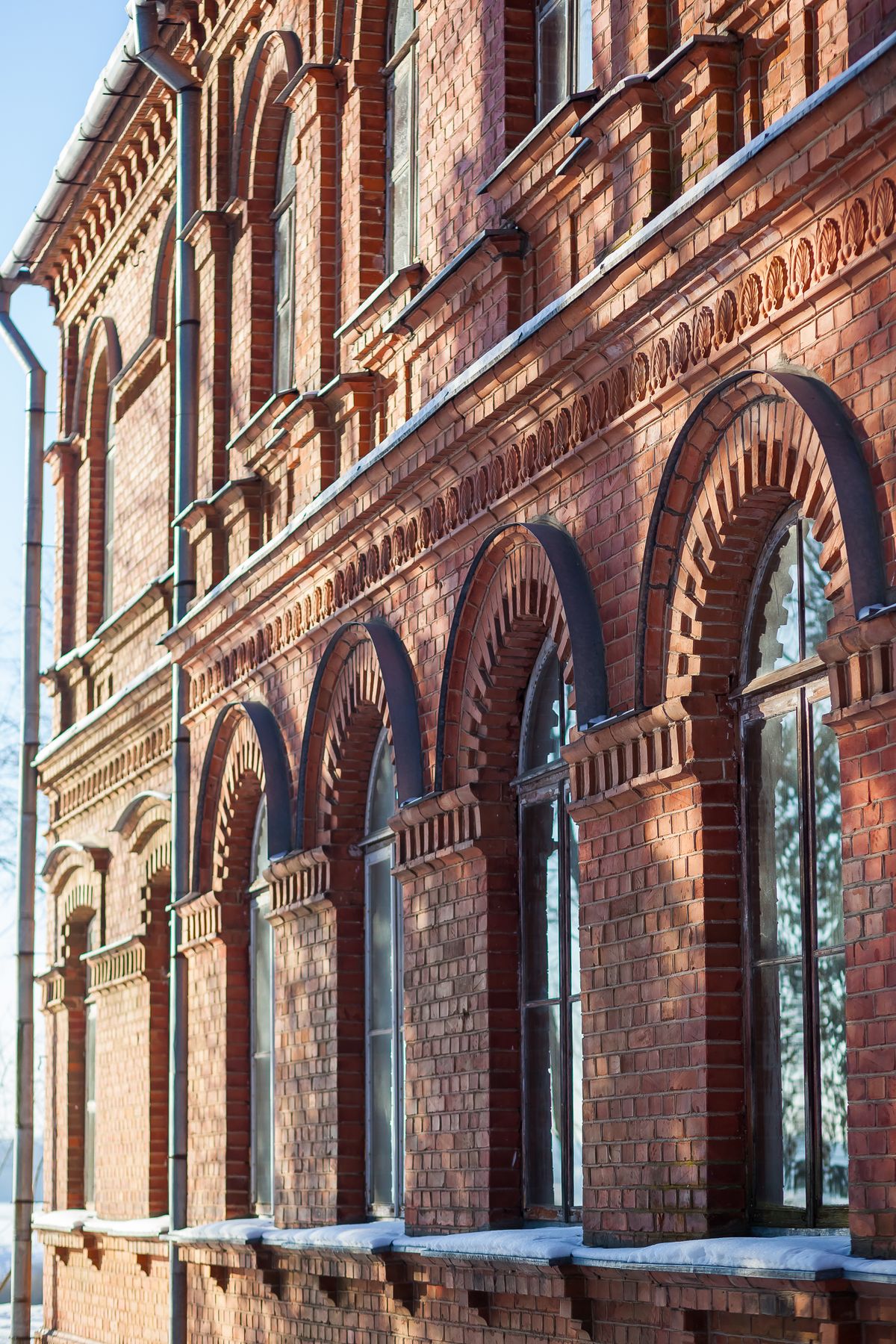
Yorkville was founded in 1830 by brewer Joseph Bloore (yes — Bloor Street is named after him) and developer William Botsford Jarvis, as a separate village north of the young city of Toronto. It grew as a leafy residential suburb with its own town hall and identity, until Toronto's expansion swallowed it: Yorkville was annexed to the city in 1883. Look closely today and you'll still spot Victorian houses and narrow streets peeking out between the modern infill — the village bones are still there under the designer skin.
The quiet Victorian decades
For a long stretch — roughly the 1880s through the 1950s — Yorkville was an unremarkable, comfortable residential pocket of brick homes and small shops. No drama, no headlines, just a neighbourhood doing neighbourhood things. Which makes what happened next all the more delightful, because nothing about its sleepy first century hinted that it was about to become the most famous bohemian address in the country.
The 1960s: Canada's hippie capital
In the 1960s, Yorkville exploded into the epicentre of Canada's hippie and folk movement — the country's answer to Greenwich Village or Haight-Ashbury. At its peak, the area reportedly hosted dozens of coffee houses and clubs (somewhere around 40), with legendary spots like The Purple Onion and the Riverboat drawing crowds who came for cheap coffee and live music until the early hours. The streets filled with artists, students, draft dodgers, and anyone allergic to the buttoned-up establishment.
The Purple Onion (1960–1965) was one of the first and most famous — a tiny room that launched careers. The Riverboat on Yorkville Avenue became the anchor venue where Gordon Lightfoot, Neil Young, and Joni Mitchell played regular sets for audiences who paid cover in coins. Coffee cost pennies; rent was cheap; creativity was the currency. It was, briefly, the most exciting few blocks in the country.
The stars who started here
Yorkville wasn't just a scene — it was a launchpad. Joni Mitchell, Neil Young, Gordon Lightfoot, and Buffy Sainte-Marie all played its coffee houses on the way up, and the literary world had a foothold too, with figures like Margaret Atwood, Gwendolyn MacEwen, and Dennis Lee circulating through. For a few electric years, an unassuming Toronto neighbourhood was incubating a remarkable share of the country's cultural firepower, one open-mic night at a time.
Rochdale College and the counterculture's complicated legacy
Rochdale College opened in 1968 at Bloor and Huron — just west of Yorkville — as an experimental 'free university' and co-op residence. It became a symbol of the era's idealism and its chaos: thousands of residents, minimal rules, and a reputation that alarmed city officials. It closed in 1975, but its shadow lingers in how Toronto remembers the period — a moment when the city genuinely didn't know what to do with its own youth culture.
Counterculture clash and decline

Of course, the establishment was not charmed. As crowds, drugs, and tension grew through the late 1960s, the neighbourhood drew alarmed headlines, and one Ontario politician famously branded Yorkville 'a festering sore in the middle of the city.' Rochdale College — the famous experimental free-education residence nearby — opened in 1968 and became a lightning rod for the era's hopes and chaos in equal measure. The party, as parties do, started to wind down.
Subway, real-estate boom, and gentrification
Then came the money. Subway expansion and rising downtown land values made Yorkville far too valuable to leave to folk singers and cheap rent. Through the 1970s, property values soared, boutiques replaced beatniks, and the artists were priced out — a transformation Joni Mitchell arguably immortalized in 'Big Yellow Taxi' ('they paved paradise and put up a parking lot'). Fittingly, one such Yorkville parking lot would later become the Village of Yorkville Park, complete with its famous slab of Canadian Shield rock.
Landmarks that survived the transformation
Heritage preservation means fragments of old Yorkville still peek through: Victorian facades on Cumberland and Bellair streets, the Village of Yorkville Park (with its 650-tonne Canadian Shield rock installed in 1994), and the ROM anchoring the southwest corner. The neighbourhood didn't erase its past — it buried it under luxury retail and condo towers, then planted a rock garden on top as a memorial.
From hippie haven to luxury district today
The final act is the Yorkville you see now: Holt Renfrew and global flagships along Bloor, five-star hotels, the ROM next door, and condo towers rising over preserved Victorian facades on Cumberland and Bellair. Heritage rules keep fragments of the old village visible, but land economics demanded density and luxury. From a brewer's suburb to a hippie haven to a billionaire's shopping street — Yorkville has reinvented itself more times than most cities manage, and it isn't done yet.
Yorkville today: a quick timeline
- 1830 — Founded as a village by Joseph Bloore and William Botsford Jarvis.
- 1883 — Annexed to the City of Toronto.
- 1960s — Peak of Canada's hippie/folk counterculture; dozens of coffee houses.
- 1968 — Rochdale College opens nearby; cultural flashpoint.
- 1970s — Subway arrives; property values soar; gentrification begins.
- 1994 — Village of Yorkville Park opens with the famous Canadian Shield rock.
- 2000s–present — Luxury condos, global flagships, five-star hotels; TIFF anchor.
Why the history matters if you're moving here
Yorkville's past explains its present prices. The same forces that pushed out folk singers in the 1970s — subway access, central location, limited land — now attract luxury buyers and renters. The Victorian bones on Cumberland Street exist because heritage rules protected them; the glass towers exist because economics demanded them. Living in Yorkville means living inside that tension between village charm and global capital. It's not just an address — it's a story that keeps rewriting itself.
Frequently asked questions
When was Yorkville founded?
Yorkville was founded in 1830 as a village north of Toronto, and was annexed by the City of Toronto in 1883.
Why was Yorkville a hippie neighbourhood?
In the 1960s, cheap rent, coffee houses, and live folk music made Yorkville the centre of Canada's counterculture — a magnet for artists, musicians, and students, and the country's equivalent of Greenwich Village or Haight-Ashbury.
How did Yorkville become a luxury district?
Subway expansion and surging downtown land values through the 1970s priced out the bohemian crowd. Boutiques, hotels, and luxury retail moved in, and the neighbourhood gentrified into one of North America's most expensive shopping districts.
Who founded Yorkville?
It was founded by brewer Joseph Bloore (the namesake of Bloor Street) and developer William Botsford Jarvis in 1830.
What was Yorkville like in the 1960s?
It was the heart of Canada's hippie and folk scene — dozens of coffee houses and clubs, live music from future legends like Joni Mitchell and Neil Young, and a vibrant, chaotic counterculture that eventually clashed with city authorities.
Yorkville's bohemian glamour eventually turned into star-powered glamour — read why Yorkville is a celebrity hotspot, or stay in the neighbourhood yourself with a furnished rental in Toronto.
Furnished monthly rentals Toronto · Search availability · View this page