How To Avoid Common Rental Scams In 2026

Learn how to avoid common rental scams in 2026 and protect your deposit in Toronto.
Finding a home in the GTA should be an exciting milestone, not a stressful detective mission. However, as the Toronto rental market remains competitive in 2026, scammers are becoming more sophisticated, using tools like AI-generated listings and deepfake technology to target unsuspecting tenants.
At Toronto Boutique Apartments, we believe your focus should be on choosing the right neighbourhood and décor, not worrying about whether your deposit is safe. To help you navigate the 2026 landscape, we’ve put together this comprehensive guide on how to avoid common rental scams and secure your dream home with confidence.
Rental Frauds In 2026
In the past, a rental scam was often easy to spot - a listing full of typos or a price that was obviously too good to be true. While those still exist, today’s scammers use advanced tactics to mimic legitimate property managers.
With the rise of virtual-first renting, it’s easier than ever for fraudsters to hide behind a screen. According to the Canadian Anti-Fraud Centre, identity-related rental fraud has seen a significant uptick this year. Scammers are no longer just looking for your first month’s rent; they are often looking for your personal data to commit long-term identity theft.
The Deepfake Listing
One of the newest threats in 2026 is the use of AI-generated content. Scammers can now create hyper-realistic video tours of apartments that don't exist or use AI to clone the voice of a real property manager over the phone. This is why visual proof is no longer enough; verification must be multi-layered.
Top 2026 Rental Scam Red Flags

To avoid rental scams, you must be able to identify the warning signs before any money leaves your bank account. Here are the most prevalent red flags currently circulating in the Toronto market:
1. The Out-of-Province Landlord
This is a classic that has evolved. The owner claims to be working abroad (often as a missionary, doctor, or diplomat) and cannot show the unit in person. They might even send you a copy of their passport or a fake LinkedIn profile to build trust. They’ll promise to mail the keys once they receive a deposit via cryptocurrency or wire transfer.
No professional landlord in Toronto will ask you to commit to a lease without an in-person or verified live-video viewing.
2. High-Pressure Ghosting Tactics
Scammers create a sense of artificial urgency. They might tell you there are ten other people waiting to sign and that the unit will be gone in an hour if you don't send a holding fee. This pressure is designed to make you bypass your logical gut feeling.
3. Identity Harvesting (The Data Trap)
In 2026, your data is as valuable as your cash. Some landlords will ask for your Social Insurance Number (SIN), bank statements, or even a scan of your ID just to book a viewing.
- Fact - In Ontario, you are not legally required to provide your SIN to a landlord.
- Risk - This information can be used to open credit cards or take out loans in your name.
4. Professional Phantom Listings
Fraudsters often scrape images and descriptions from legitimate sites like Toronto Boutique Apartments or the MLS and repost them on Facebook Marketplace or Craigslist at a 20% discount. If the price for a luxury condo in the Entertainment District seems suspiciously low for 2026 standards, it likely is.
5 Practical Steps to Protect Yourself
Knowing how to avoid common rental scams requires a proactive approach. Follow these steps for every listing you consider:
Step
Action
Why it Works
1
Reverse Image Search
Right-click the listing photos and search Google Images. If the same photo appears in a different city or on a sold real estate listing from three years ago, walk away.
2
Verify Ownership
Use the ServiceOntario OnLand portal to check the land registry. For a small fee, you can see who actually owns the property.
3
Demand an Ontario Standard Lease
Since 2018, most private tenancies in Ontario must use the Ontario Standard Lease form. If a landlord insists on a handwritten or custom contract that excludes standard tenant rights, it’s a red flag.
4
In-Person Viewings
Never rent sight unseen. If you are moving from abroad, book a short-term stay with a trusted provider like us first so you can inspect long-term options in person.
5
Traceable Payments
Never pay via Cash, Western Union, or Crypto. Use Interac E-transfer (only after signing and verifying) or bank drafts.
The Role of Technology in Staying Safe
While technology has empowered scammers, it also provides tools for tenants. In 2026, savvy renters are using:
- Digital Escrow Services - Some platforms now hold deposits in trust until the keys are exchanged.
- Virtual Notaries - For high-end leases, verify the identity of the landlord through a digital notary service.
- Social Proof - Check the landlord or management company’s Google Reviews. As we mentioned in our previous post on spotting rental scams, a lack of a digital footprint is often a sign of a fake persona.
What to Do If You’ve Been Scammed
If you realize you’ve been targeted, time is of the essence.
- Stop Communication - Do not alert the scammer that you know; simply cut off contact.
- Contact Your Bank - If you sent an E-transfer, your bank may be able to freeze the funds if caught within minutes (though this is rare).
- File a Report - Notify the Toronto Police Service and the Canadian Anti-Fraud Centre. Reporting helps the authorities track patterns and take down fraudulent websites.
- Protect Your Identity - If you shared your SIN or ID, contact Equifax and TransUnion to put a fraud alert on your credit profile.
Experience a Scam-Free Rental with Toronto Boutique Apartments
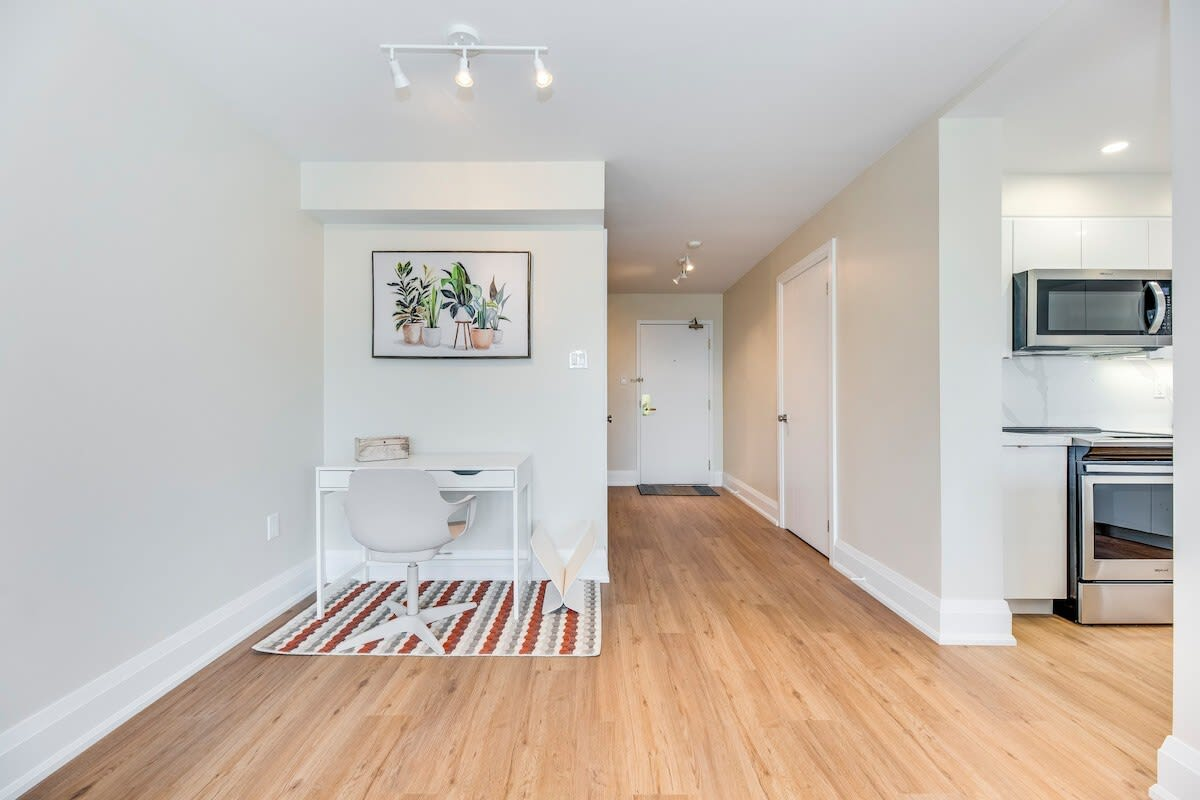
The best way to avoid rental scams is to work with a reputable, established company. At Toronto Boutique Apartments (TBA), we eliminate the guesswork. All our properties are hand-selected, verified, and managed by our local team.
Whether you are looking for a furnished apartment in Toronto for a short-term project or a long-term home, we provide:
- Verified Ownership - We own or professionally manage every unit in our portfolio.
- Transparent Contracts - No hidden fees, no viewing charges, and total compliance with Ontario rental laws.
- In-Person Support - Our team is on the ground in Toronto, ready to show you the units and help you settle in.
Frequently Asked Questions
1. Can a Toronto landlord legally ask for my SIN or bank login?
While a landlord can ask for your Social Insurance Number (SIN) to conduct a credit check, you are not legally required to provide it in Ontario. Most professional property managers can run a credit check using your full name, date of birth, and current address. Never share your bank login credentials; instead, provide official PDF bank statements with sensitive account numbers redacted.
2. Is it safe to rent an apartment sight unseen if I’m moving from another country?
Renting sight-unseen is the most common way to fall for a scam. If you cannot visit in person, book a verified short-term rental for your first two weeks in the city. This allows you to inspect potential long-term apartments in person. If you must rent remotely, insist on a live video walkthrough where the person on camera proves they have physical access by stepping onto the balcony or showing a specific requested detail.
3. What is the Ontario Standard Lease, and do I have to sign it?
As of 2026, most private residential tenancies in Ontario are required to use the Ontario Standard Lease. If a landlord presents a handwritten note or a custom contract that looks unofficial, it is a major red flag. This standard form is designed to protect your rights regarding rent increases, maintenance, and security deposits.
4. How much of a deposit is legally allowed in Toronto?
In Ontario, a landlord can only legally ask for a rent deposit (usually the last month’s rent) and a small, refundable key deposit. They cannot legally charge holding fees, application fees, or damage deposits. If someone asks for first and last plus a security deposit for damages, they are violating the Residential Tenancies Act.
5. How do I verify if a rental listing on social media is legitimate?
Scammers often clone listings from professional sites like Toronto Boutique Apartments and repost them on Facebook Marketplace at a lower price. Always perform a reverse image search on the listing photos. If the same apartment appears on multiple sites with different contact names or wildly different prices, it is almost certainly a scam.
Summing Up
Don't let the fear of scams keep you from enjoying the vibrant life Toronto has to offer. By staying informed and choosing trusted partners, you can find a beautiful space to call your own in 2026.
Ready to find your next home? Browse our current furnished rentals in Toronto and experience the peace of mind that comes with boutique service.
Furnished monthly rentals Toronto · Search availability · View this page