The Ultimate Guide To Downsizing From A House To A Condo In Toronto
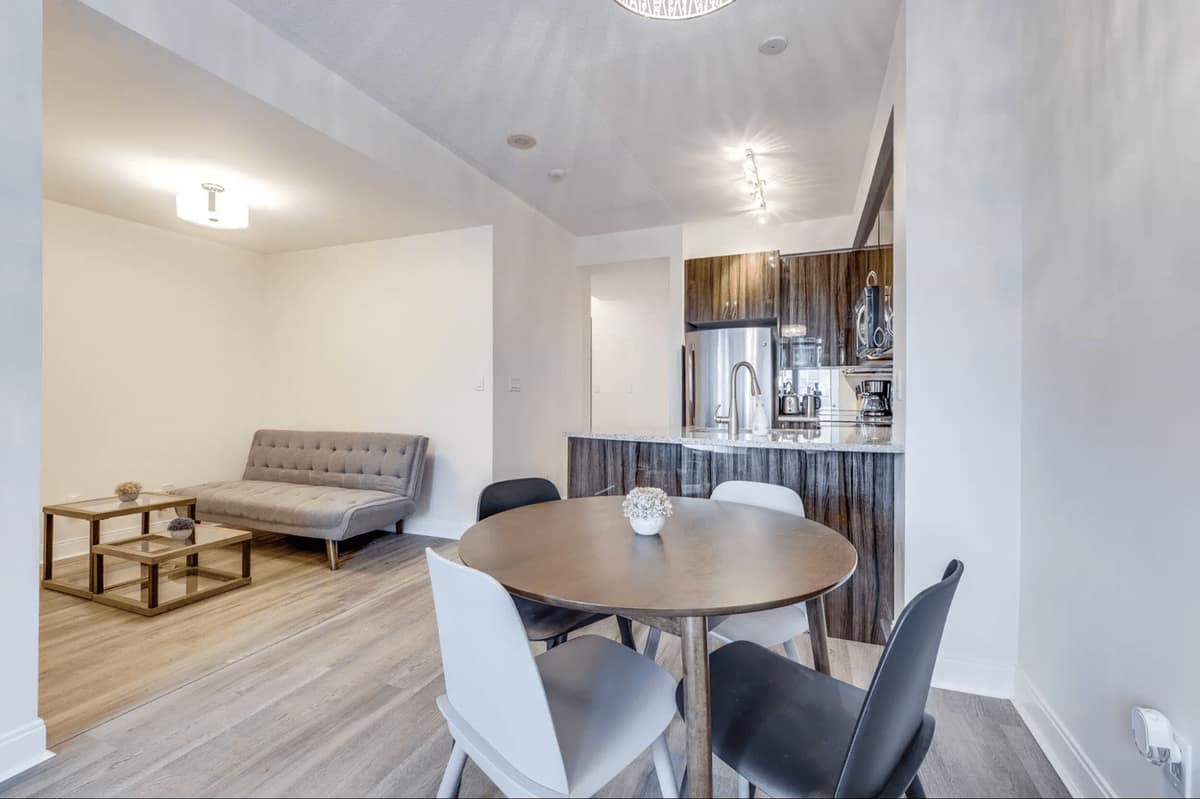
The ultimate guide to downsizing from a house to a condo in Toronto.
Transitioning from a detached family home to a high-rise condominium is no longer just a trend for retirees; it is a strategic lifestyle shift for Toronto’s elite professionals and empty nesters alike. In the GTA’s 2026 real estate climate, downsizing has evolved into rightsizing, a move that prioritizes time, wealth, security, and urban connectivity over excess square footage.
This comprehensive guide explores the financial, logistical, and lifestyle frameworks required to successfully navigate the move from a standalone house to a luxury condo.
Analyzing Toronto Condo Maintenance Fees vs. Detached Home Upkeep
One of the primary barriers to downsizing is the perceived cost of monthly maintenance fees. However, a data-driven analysis usually reveals that condo fees are more predictable than the emergency repairs associated with freehold homes.
The Predictable Budget Model
In a detached house, you are the CEO, janitor, and treasurer. When the roof leaks or the furnace fails, the financial burden is immediate and heavy. In a condo, these costs are amortized across all residents.
- Reserve Fund Contributions - A significant portion of your Toronto condo fee is legally mandated to go into a reserve fund. This acts as a savings account for the building’s future, ensuring you aren't hit with a $30,000 bill for window replacements.
- Consolidated Utilities - Many modern luxury Toronto rentals and condos bundle bulk-rate internet, water, and heating, which often results in a lower per-service cost than standalone contracts.
Hidden Savings - The Insurance Factor
House insurance premiums in Ontario have risen steadily due to climate-related risks (flooding, wind damage). Because a condo corporation insures the shell of the building, your personal condo insurance policy only covers your contents and interior finishes, often costing 40-60% less than a detached home policy.
Navigating the Ontario Condominium Act and Status Certificates
For a house owner used to total autonomy, the legal structure of a condo can be a culture shock. Understanding the Ontario Condominium Act is essential for a smooth transition.
The Critical Role of the Status Certificate
The Status Certificate is the most important document in your transaction. It provides a financial x-ray of the building. You must have a lawyer verify:
- Special Assessments - Are there any pending lawsuits or major repairs that current owners are being forced to pay for out of pocket?
- Adequacy of the Reserve Fund - A low reserve fund is a red flag for future fee hikes.
- Bylaw Restrictions - Unlike a house, condos have Rules and Regulations. These can govern everything from the size of your dog to whether you can install hardwood floors or use a propane BBQ on your balcony.
Maximizing Investment with Toronto’s Lock-and-Go Lifestyle
The phrase Lock-and-Go is the cornerstone of modern rightsizing. It describes the freedom to travel or work abroad without the anxiety of home maintenance.
- Multi-Layered Security - Detached homes are statistically more vulnerable to break-ins. Luxury condos offer 24/7 concierge desks, encrypted key-fob elevator access, and integrated CCTV.
- Professional Property Management - When you live in a Toronto Boutique Apartments’ managed suite, the exterior maintenance, from snow removal to landscaping, is handled by professionals. You never have to worry about a lived-in look while you’re away on vacation.
Selecting the Best Toronto Neighbourhoods for Downsizing
Location is the most significant amenity you gain when moving into a condo. In Toronto, rightsizing often means moving closer to the 15-minute city core.
Yorkville - High-End Sophistication
For those who refuse to compromise on luxury, Yorkville’s grand condo is the gold standard. It offers the highest density of 24-hour concierge buildings and is steps away from the city's best medical specialists and fine dining.
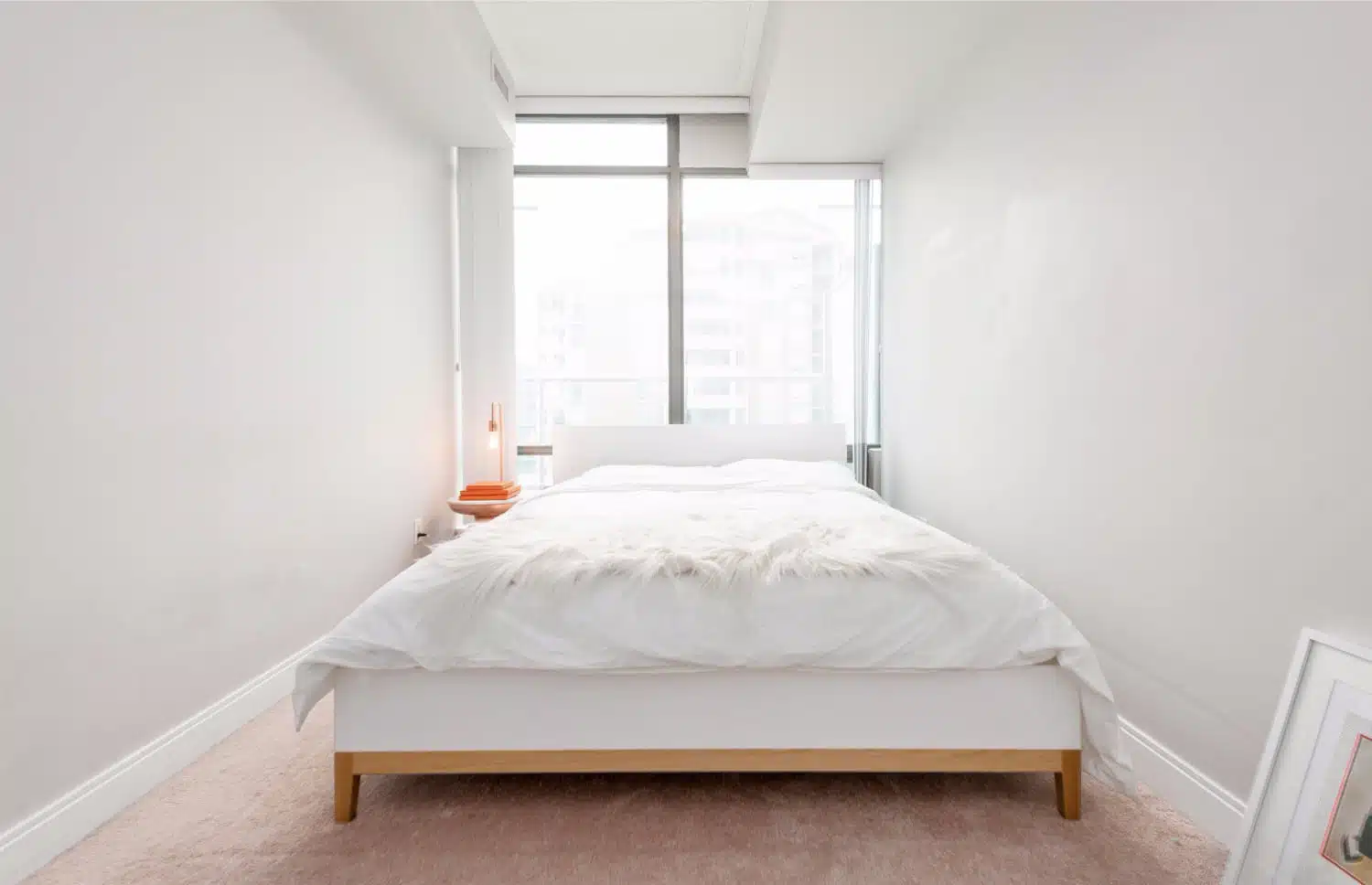
The Waterfront - Tranquillity and Views
Downsizing doesn't have to mean losing your connection to nature. The Toronto Waterfront offers expansive Lake Ontario views and direct access to the Martin Goodman Trail, providing a backyard that spans the entire city coastline.
St. Lawrence Market - Heritage and Culture
If you value community, the St. Lawrence Market suite neighbourhood offers mid-rise boutique buildings that foster a sense of neighbourhood belonging that is often lost in massive skyscraper developments.
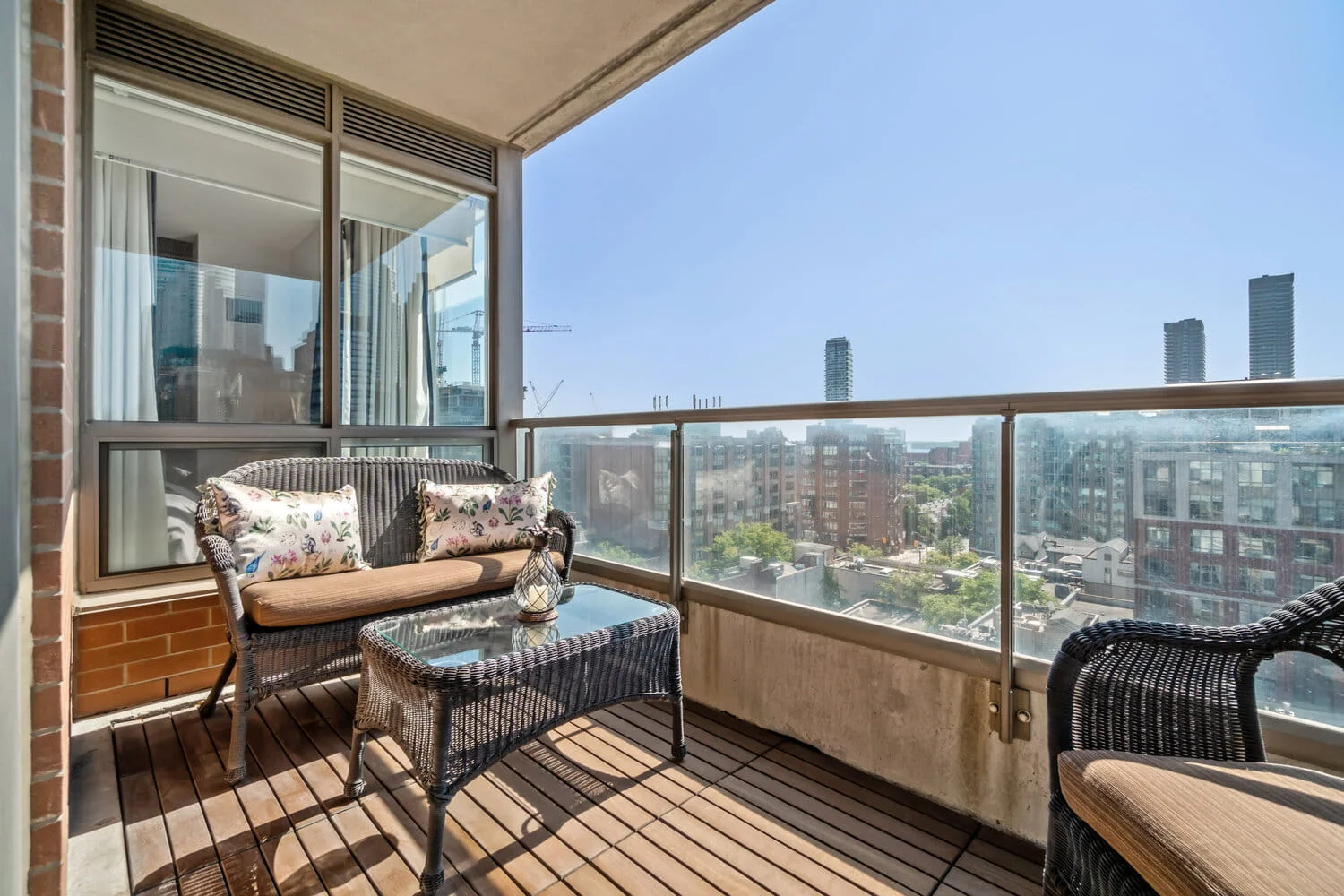
Implementing a Systematic Decluttering and Rightsizing Plan
The biggest hurdle to downsizing is the stuff accumulated over 20+ years. To avoid burnout, follow this 3-Phase Rightsizing Protocol.
Phase 1 - The Floor Plan Audit (3 Months Out)
Obtain the exact dimensions of your new condo. Use a digital floor planner to place your current furniture.
Many house-sized sofas are too deep for condo living rooms, blocking natural traffic flow. Selling these anchor pieces early allows you to budget for furniture specifically designed for apartment-scale luxury.
Phase 2 - The Heirloom Distribution
Instead of storing items in a basement, begin the early inheritance process. Gifting sentimental items to family now allows you to see them being enjoyed, rather than paying for a monthly storage locker that adds to your overhead.
Phase 3 - Digitization of the Paper Trail
A house often hides filing cabinets full of decades of records. Transition to a paperless lifestyle by digitizing essential documents and family photos. In a condo, vertical space is for art, not filing cabinets.
Utilizing the Test Drive Strategy with Luxury Rentals
A common mistake is rushing into a condo purchase and realizing the neighbourhood or the floor plan doesn't fit your daily rhythm.
The Transition Suite Advantage:
Before committing to a multi-million dollar purchase, many savvy Torontonians choose to stay in a fully furnished luxury suite for 3 to 6 months. This test drive allows you to:
- Evaluate Walkability - Do you actually enjoy walking to the grocery store, or do you miss your garage?
- Assess Noise and Density - Experience high-rise living firsthand to see if you prefer a boutique low-rise or a soaring penthouse.
- Manage Timing - If your house sells faster than expected, a boutique rental provides a high-end home base while you shop for the perfect permanent condo without pressure.
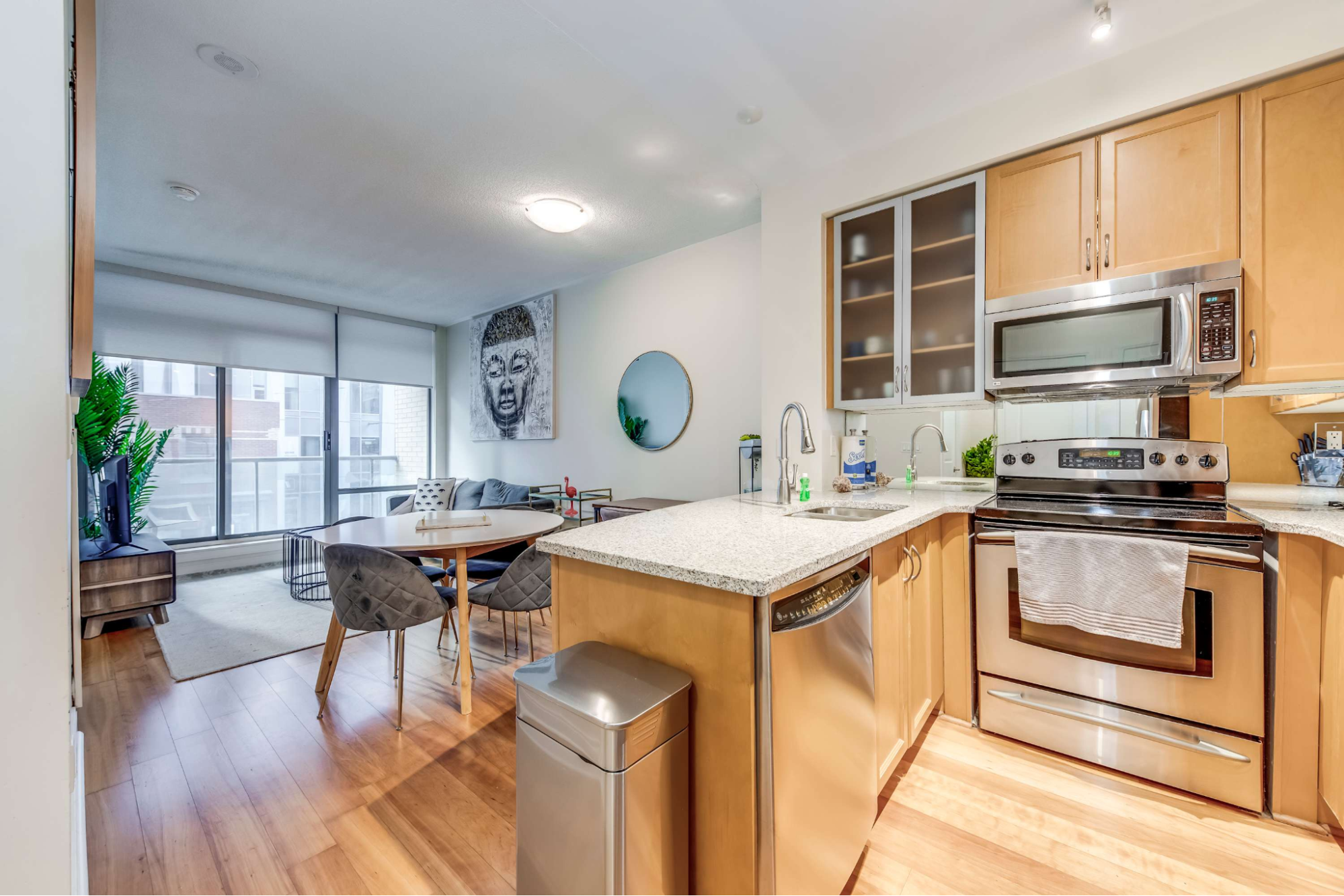
Maximizing Functional Space in a Smaller Footprint
Living in a condo requires a shift from horizontal living to vertical efficiency.
- Multi-Functional Rooms - A second bedroom in a condo often serves as a Flex Space, a home office that features a high-end Murphy bed for guests.
- Built-in Storage - Look for units (or renovations) that utilize floor-to-ceiling cabinetry. In a condo, the top 2 feet of your walls are prime real estate for seasonal storage.
Comparison - The Total Cost of Ownership (TCO)
Expense Category
Detached House (GTA)
Toronto Luxury Condo
Exterior Maintenance
$5,000–$15,000/year (Variable)
Included in Monthly Fee (Fixed)
Security & Monitoring
$50–$100/month
24/7 Personnel (Included)
Landscaping/Snow
$2,500/year
Included
Amenities (Gym/Pool)
$200+/month (Memberships)
On-site (Included)
Property Tax
High (Based on land size)
Moderate (Based on square footage)
Conclusion
Downsizing from a house to a condo is not a step backward; it is a deliberate move toward a more curated, efficient, and enjoyable life. By offloading the burdens of home maintenance and embracing the connectivity of downtown Toronto, you gain the most valuable asset of all time.
Whether you are looking for a permanent residence or a luxury short-term stay to begin your transition, the key is to prioritize quality over quantity. Contact Toronto Boutique Apartments for more info.
Furnished monthly rentals Toronto · Search availability · View this page