Is the Unit Protected by Ontario Rent Control?

Is your Toronto rental protected by Ontario rent control? Learn the November 15, 2018 rule, 2026 guideline (2.1%), exemptions, Form N1 vs N2, and how to check before you sign.
Quick answer: Your unit is protected by Ontario rent control if it was first occupied for residential purposes on or before November 15, 2018. That means your landlord can only raise rent once every 12 months, must give at least 90 days' written notice on Form N1, and cannot exceed the 2026 provincial guideline of 2.1% without Landlord and Tenant Board (LTB) approval. Units first occupied after that date — including most new condo towers, purpose-built rentals, building additions, and new basement suites — are generally exempt. Exempt units still require 90 days' notice and the once-per-year rule, but there is no cap on how much rent can increase.
Most listings look straightforward online. Very few spell out whether Ontario rent control applies until you are already reviewing a lease. If you are searching for an apartment for lease in Toronto — or comparing condos for rent in Toronto against older rental buildings in Toronto — this guide walks you through exactly how to tell which side of the November 15, 2018 line your unit falls on.
At Toronto Boutique Apartments, we believe trust is the foundation of every successful rental experience — and that starts before you ever walk through the door. Whether you need a long term rental in Toronto or a flexible mid-term stay, knowing your rent-control status is one of the smartest questions you can ask.
What Ontario Rent Control Means in 2026
Rent control in Ontario does not freeze your rent. It limits how fast it can rise for sitting tenants in covered units under the Residential Tenancies Act, 2006 (RTA). Each August, the province sets an annual rent increase guideline tied to inflation. For 2026, that guideline is 2.1% — down from 2.5% in 2025. The RTA also caps the guideline at 2.5% even when inflation runs higher.
Example: if you pay $2,000 per month in a rent-controlled unit, a lawful 2026 increase adds $42, bringing your rent to $2,042. That increase cannot take effect until at least 90 days after proper written notice and only if 12 months have passed since your last increase or move-in date.
The RTA covers most private residential rentals — houses, apartments, basement units, condos, mobile home parks, and land lease communities. Social and community housing follows separate rules. Care homes apply the guideline only to the rent portion of the bill, not services like meals or nursing.
- 2026 guideline: 2.1%
- 2025 guideline: 2.5%
- Maximum cap under RTA: 2.5% per year regardless of inflation
- Notice required: at least 90 days on the correct LTB form
- Frequency: once every 12 months for the same tenant
Which Units Are Protected by Ontario Rent Control
A unit is protected when it was first occupied for residential purposes on or before November 15, 2018. That includes most older apartment buildings, walk-ups, houses rented before that date, and basement apartments that existed as residential units before the cutoff.
The date that matters is when your specific unit was first used as a home — not when the building was constructed, when you moved in, or when ownership changed. A 1970s tower can contain both protected and exempt units if some suites were only brought online as rentals after 2018.
- Apartment, house, or condo first occupied on or before November 15, 2018 — protected; 2.1% guideline applies
- Pre-2018 unit where the tenancy turned over after November 15, 2018 — still protected; the unit's occupancy date governs, not when your tenancy began
- Mobile home park or land lease community first occupied on or before November 15, 2018 — protected
Which Units Are NOT Protected — Exemptions Explained
Under RTA section 6(2) — introduced through Bill 47 in 2018 — the guideline does not apply to units first occupied for residential purposes after November 15, 2018. In exempt units, a landlord may raise rent by any amount with proper notice. This was intended to encourage new rental supply, but it created a two-tier market: older units with capped increases and newer units where rent can track the open market.
- Purpose-built rental building first occupied after November 15, 2018 — exempt
- New condo unit rented for the first time after November 15, 2018 — exempt, even if the condo corporation registered earlier
- Addition to an existing building first occupied after November 15, 2018 — exempt
- New self-contained basement suite or secondary unit in a house with no more than two residential units as of November 15, 2018 — exempt if first occupied after that date and built in previously unfinished space (basement or attic) or while the owner lived in another part of the house
- Rent-geared-to-income (RGI) or subsidized social housing — separate rules, not the standard guideline
- Unit where you share a kitchen or bathroom with the landlord or their close family — not covered by RTA rent rules; landlord can raise rent without guideline limits unless the agreement says otherwise
Exempt does not mean unlimited timing. Even in exempt units, rent can only rise once every 12 months, and the landlord must give at least 90 days' written notice. The difference is the amount — no provincial cap applies.
How to Check If Your Unit Is Protected — Step by Step
When someone relocates to Toronto for work, they are not just booking an apartment — they are choosing the environment they will live in every day. Before you sign, run through these steps. Trust starts with clear answers, not assumptions.
Step 1 — Ask the landlord in writing
The essential question: When was this unit first occupied for residential purposes? Ask before you sign. Save the answer by email. If a landlord cannot or will not answer, that is information worth knowing — especially when reviewing your lease or rental agreement.
Step 2 — Check your lease for a Section 15 term
Landlords may include an additional term under section 15 of the Ontario Standard Lease stating the unit is exempt from the rent increase guideline. Language like "this unit is exempt from rent control" is a strong indicator — but it is not proof on its own. The unit must actually meet the legal criteria.
Step 3 — Request the occupancy certificate or building permit
The definitive evidence is usually a municipal occupancy certificate confirming when the building or unit was approved for residential use. In Toronto, you can also search building permit records through the City's permit portal. If the certificate was issued after November 15, 2018, the unit likely qualifies as exempt.
Step 4 — Check which notice form you received
Form N1 is for guideline increases on rent-controlled units. Form N2 is for units exempt from the guideline. If you received an N2 but believe your unit is actually protected — or received no official form at all — the increase may be invalid.
Step 5 — Dispute at the LTB if status is unclear
Either party can contact the Landlord and Tenant Board or file Form A1 (Application about Whether the Act Applies) to determine if the RTA rent rules apply. If a landlord claims exemption, the burden of proof lies with the landlord — not the tenant.
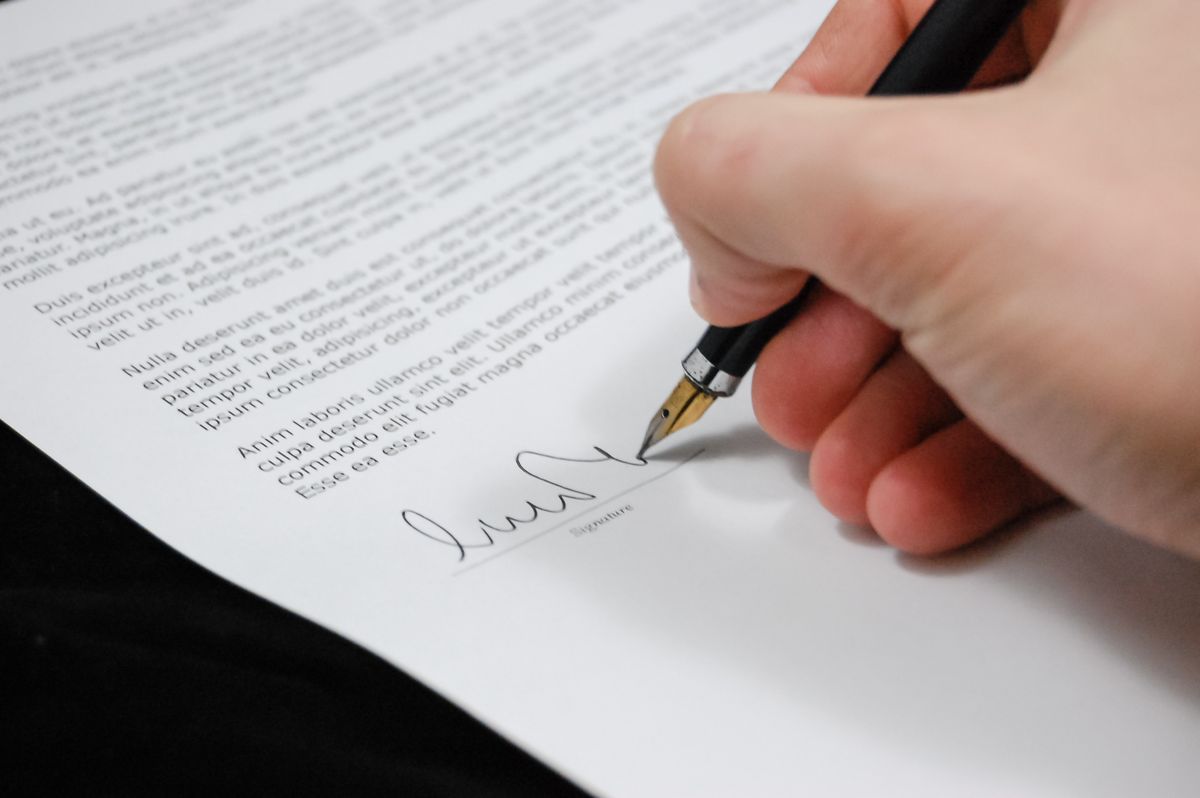
Form N1 vs Form N2 — Which Notice Should You Receive
Your landlord must use the correct official LTB notice form. A text message, casual email, or letter without the proper form does not count.
- Form N1 — Notice of Rent Increase for rent-controlled units; increase capped at the guideline (2.1% in 2026) unless the landlord has LTB approval for an Above-Guideline Increase (AGI)
- Form N2 — Notice of Rent Increase (Unit Partially Exempt) for units exempt from the guideline; no cap on the amount, but 90 days' notice and the 12-month rule still apply
- Improper notice — if the form, timing, or math is wrong, you are not required to pay the increase; you can keep paying your current lawful rent while disputing
For a full breakdown of lawful increase amounts, see our guide on how much a landlord can raise rent in 2026.
Vacancy Decontrol — Protected Unit, New Tenant, New Rent
This catches many renters off guard. Rent control protects sitting tenants in covered units — it does not cap what a landlord charges a new tenant when a unit turns over. This is called vacancy decontrol.
Example: a rent-controlled apartment where the previous tenant paid $1,700 may be re-listed at $2,500 for the next tenant. Once the new tenant moves in, the unit remains rent-controlled at the higher starting rent — future increases follow the guideline from that new base.
Practical takeaway: moving into an older, protected building does not guarantee you inherit the previous tenant's rate. Run the math on the current asking rent, not the building's age alone. A unit you already hold under rent control may be cheaper than anything new on the market at turnover pricing.

What If Your Landlord Raises Rent Above the Guideline
If your unit is protected and your landlord tries to raise rent above 2.1% without LTB approval, you have options.
- Verify the math — for a rent-controlled unit, the increase cannot exceed 2.1% of your current lawful rent in 2026
- Verify timing — at least 90 days' notice; only one increase every 12 months
- Verify the form — official N1 required; texts and emails alone are not valid notice
- Above-Guideline Increases (AGI) — landlords can apply to the LTB for increases above the guideline for major capital work, security costs, or extraordinary municipal charges; you do not owe the extra amount until the Board approves it
- File Form T1 — Tenant Application for a Rebate if you were overcharged; file within 12 months of the illegal charge
- File Form T2 — for tenant rights issues including harassment or illegal entry alongside rent disputes
Keep copies of every notice, lease, and rent payment record. Documentation wins disputes.
Rent Control and Toronto Furnished or Mid-Term Rentals
Some stays do not fit the usual options. Too long for a hotel. Too short for a year-long lease. That is where furnished and mid-term rentals sit — and rent-control status still matters if you plan to stay past 12 months.
Furnished or unfurnished does not change whether the RTA applies. What matters is the unit's first residential occupancy date and whether your tenancy is covered by the Act. Many newer downtown condos used for corporate housing in Toronto were first rented after November 15, 2018 and may be exempt from the guideline.
At Toronto Boutique Apartments, we started small — a few units, a lot of attention to detail — and grew by keeping every stay consistent. We offer transparent lease terms for short and extended stays and are happy to explain how Ontario rent control applies to the specific unit you are considering. Effortless relocation should be the standard you expect, not a premium add-on.
- Ask about rent-control status before signing any furnished or corporate lease
- Confirm whether the unit is exempt and what notice form applies for future increases
- Budget for the maximum legal increase if protected, or a larger potential jump if exempt
- Get the landlord's answer in writing before move-in
Common Mistakes Tenants Make
- Assuming an old-looking building is automatically protected — a new basement suite added after 2018 in that same building may be exempt
- Assuming a new tenant inherits the previous tenant's low rent — vacancy decontrol resets the starting rent
- Not asking for the occupancy certificate before signing — routine request; refusal is a red flag
- Accepting a rent increase by text or email without Form N1 or N2
- Missing the 12-month deadline to file Form T1 for rebate of overpaid rent
Frequently Asked Questions
Is my unit protected by Ontario rent control?
Yes, if it was first occupied for residential purposes on or before November 15, 2018. No, if it was first occupied after that date, if you share a kitchen or bathroom with your landlord, or if you live in certain subsidized housing with separate rules.
How do I know if my Ontario rental unit is exempt from rent control?
Check when the unit was first occupied for residential use. Review your lease for a Section 15 exemption term, ask your landlord for the occupancy certificate, and search municipal building records. If status is disputed, file Form A1 with the LTB.
What is the rent increase guideline for 2026 in Ontario?
2.1%. That is the maximum annual increase for rent-controlled units in 2026 without LTB approval for an Above-Guideline Increase.
How much notice does my landlord need to give before raising rent?
At least 90 days' written notice on Form N1 (rent-controlled) or Form N2 (exempt). The increase also cannot take effect until 12 months after your last increase or move-in date.
Can my landlord raise rent more than 2.1% in 2026?
Only with LTB approval through an Above-Guideline Increase, or if your unit is exempt from rent control. For exempt units, there is no percentage cap — but notice and timing rules still apply.
I'm moving into an apartment built after November 15, 2018 — am I under rent control?
Most likely not. New buildings, additions, and new basement suites first occupied after that date are generally exempt. Your landlord must still give 90 days' notice on Form N2 and can only increase rent once every 12 months.
Does rent control apply when a new tenant moves in?
Rent control limits increases for the same tenant in the same unit. When a unit turns over, the landlord and new tenant agree on a new starting rent — that is vacancy decontrol. After move-in, guideline rules apply to future increases if the unit is protected.
How often can a landlord increase rent in Ontario?
Once every 12 months — measured from the start of the tenancy or the last rent increase — for both rent-controlled and exempt units.
My landlord raised my rent without proper notice — what can I do?
You can continue paying your current lawful rent. To recover overpayments, file Form T1 with the LTB within 12 months. Contact a legal clinic or the LTB for guidance on your specific situation.
Does rent control apply to furnished rentals?
Yes, if the tenancy is covered by the RTA and the unit meets the occupancy date criteria. Furnished or unfurnished status does not change whether Ontario rent control applies.
The Bottom Line
Is the unit protected by Ontario rent control? If it was first occupied for residential use on or before November 15, 2018, the answer is yes — and your 2026 increases are capped at 2.1% with proper Form N1 notice. If it was first occupied after that date, the unit is likely exempt, and your landlord can propose larger increases on Form N2. Either way, ask before you sign, get the answer in writing, and know the difference between protection on paper and the rent you actually pay at move-in.
Looking for a transparent rental experience in Toronto? Browse Toronto Boutique Apartments for furnished and unfurnished suites across the city — with clear answers about your rights from day one.
Disclaimer: This article is for general information only and does not constitute legal advice. For advice specific to your situation, consult the Landlord and Tenant Board, a community legal clinic, or a licensed lawyer.
Furnished monthly rentals Toronto · Search availability · View this page