How To Qualify For A Mortgage In Canada
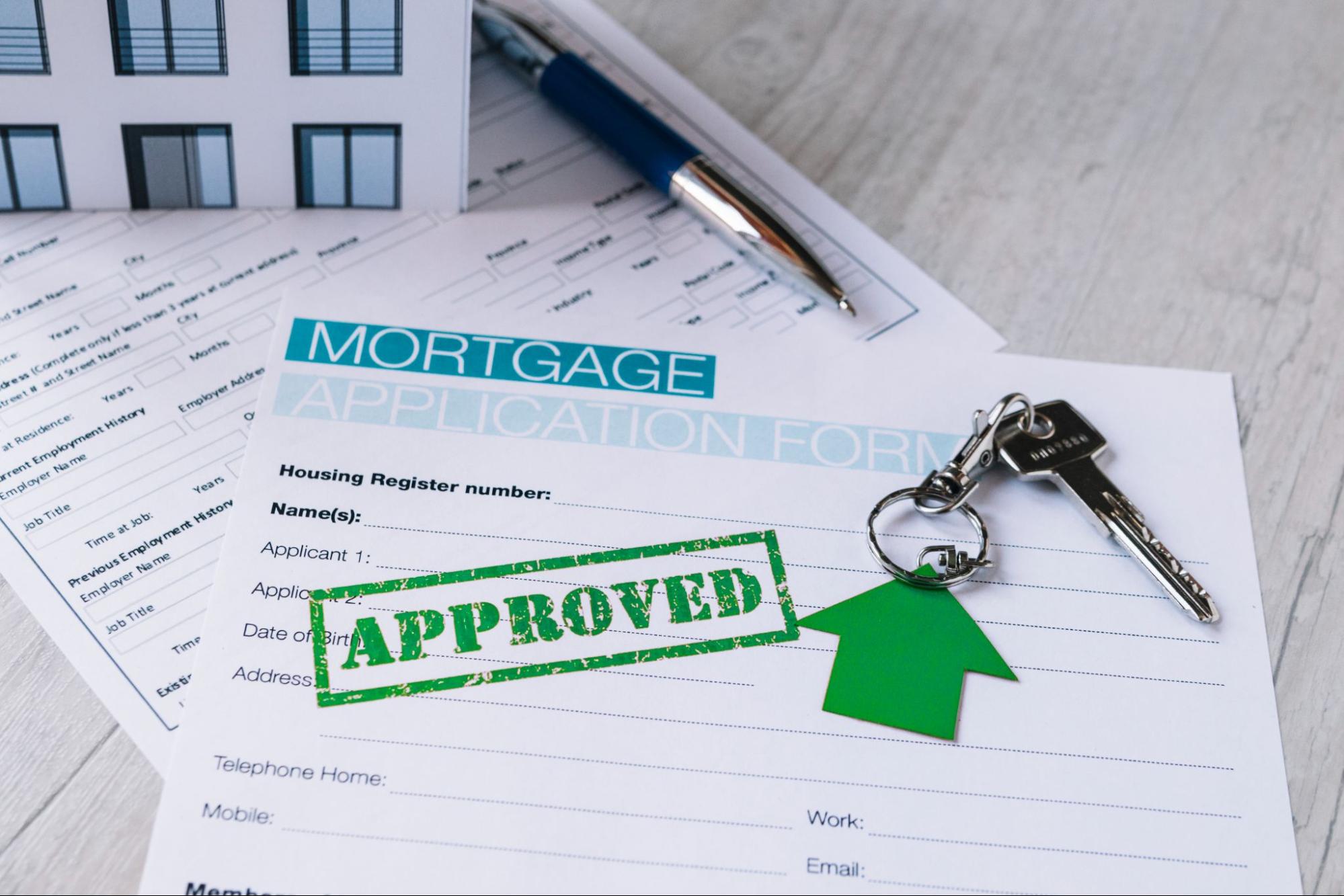
Learn how to qualify for a mortgage in Canada, from income requirements to GDS and TDS ratios.
Starting a new chapter in Canada often begins with a place to call your own. Whether you are eyeing a chic condo in the heart of downtown or a spacious family home in the suburbs, understanding the financial landscape is your first step.
For clients of Toronto Boutique Apartments, transitioning from a luxury rental to homeownership is a common milestone. However, the Canadian mortgage market has evolved significantly in recent years.
To help you navigate this, we’ve put together the ultimate guide on how to qualify for a mortgage in Canada, featuring the latest 2026 updates and expert tips on maximizing your affordability.
The Mortgage Types In Canada
Before diving into the how, you need to know the what. In Canada, lenders offer several structures to suit different risk appetites.
1. Fixed-Rate Mortgages
The gold standard for predictability. With a fixed-rate mortgage, your interest rate is locked in for the duration of your term (typically 5 years). This is ideal for first-time buyers who want to know exactly what their monthly payment will be, regardless of what happens in the economy.
2. Variable-Rate Mortgages
Variable rates fluctuate based on the lender’s prime rate, which is influenced by the Bank of Canada. While these often start lower than fixed rates, they carry more risk. If interest rates rise, more of your payment goes toward interest and less toward the principal, or your monthly payment might increase entirely.
3. Open vs. Closed Mortgages
- Closed Mortgages - These offer lower interest rates but limit how much extra you can pay off each year. Breaking the contract early usually results in a significant penalty.
- Open Mortgages - These allow you to pay off the entire balance at any time without penalty. Because of this flexibility, the interest rates are significantly higher. These are best if you expect a large inheritance or plan to sell the home very quickly.
How to Qualify for a Mortgage in Canada - The Core Pillars
Qualifying for a mortgage isn't just about having money in the bank; it’s about proving to a lender that you are a low-risk investment. In 2026, lenders look at four primary factors:
Income Reliability and Employment History
Lenders want to see a consistent paper trail of your earnings.
- Full-Time Employees - You will typically need an employment letter and your most recent pay stubs.
- Self-Employed Borrowers - You usually need at least two years of Notice of Assessments (NOAs) from the CRA to prove an average income.
- Newcomers - If you have been in Canada for less than five years, many New to Canada programs allow you to qualify with just three months of full-time employment, provided you have a valid work permit or Permanent Residency (PR).
The Down Payment Requirements
The days of 0% down are long gone. In Canada, the minimum down payment depends on the purchase price:
- $500,000 or less - 5% minimum.
- $500,001 to $999,999 - 5% on the first $500k, and 10% on the portion above that.
- $1,000,000 or more - A flat 20% minimum (uninsured mortgage).
If your down payment is less than 20%, you must purchase Mortgage Default Insurance (often called CMHC insurance). This protects the lender, not you, but it allows you to enter the market sooner.
Credit Score Thresholds
In 2026, a credit score of 680 or higher is generally required to access the best A-Lender rates (major banks). If your score is between 600 and 680, you may still qualify, but you might be moved to B-Lenders (credit unions or trust companies) with slightly higher rates.
Debt Service Ratios (GDS & TDS)
Lenders use two mathematical formulas to decide how much mortgage you can afford in Canada.
- Gross Debt Service (GDS) - This looks at your housing costs (mortgage, taxes, heat, and 50% of condo fees). This should not exceed 39% of your gross monthly income.
- Total Debt Service (TDS) - This includes all your housing costs plus all other debts (car loans, credit card minimums, student loans). This should not exceed 44%.
The 2026 Mortgage Stress Test
Even if you find a great rate of 4%, the government requires you to stress test your finances. You must prove you could still afford the home if rates rose to the higher of:
- 5.25%
- Your contract rate + 2%
This ensures that if the market shifts, you won't lose your home. This is the single biggest factor in determining how much house I can afford in Canada.
Step-by-Step Guide to Getting Approved
Step 1 - Get a Pre-Approval
Before you even look at a listing, get a pre-approval. This gives you a specific budget and locks in an interest rate for 90 to 120 days. It makes your offer much stronger in competitive markets like Toronto.
Step 2 - Organize Your Documentation
Lenders are thorough. You will need:
- Proof of Income - T4s, NOAs, and pay stubs.
- Proof of Down Payment - 90 days of bank statements showing the funds have been in your account.
- Debt List - Statements for all loans and credit cards.
- ID - Valid passport or Canadian driver’s license.
Step 3 - Choose Your Lending Professional
- Banks (A-Lenders) - Best for those with high credit scores and stable T4 income.
- Mortgage Brokers - They work with multiple lenders to find you the best rate and are often better for self-employed individuals or those with unique credit situations.
New 2026 Incentives for First-Time Buyers
To combat affordability challenges, the Canadian government has introduced several updates:
- FTHB GST/HST Rebate - As of 2026, eligible first-time buyers can recover up to 100% of the federal GST on newly built homes valued at $1 million or less.
- Tax-Free First Home Savings Account (FHSA) - You can contribute up to $8,000 per year (to a lifetime limit of $40,000). Contributions are tax-deductible, and withdrawals to buy a home are tax-free.
Strategies to Increase Your Affordability
If the numbers aren't adding up yet, consider these tactics:
- Pay Down High-Interest Debt - Reducing your credit card balances directly improves your TDS ratio, allowing you to borrow more.
- Add a Co-Signer - Having a parent or family member co-sign can add their income to your application.
- Improve Your Credit - Even a 20-point increase in your credit score can move you from a B-lender to an A-lender, saving you thousands in interest.
- Consider a Rental Suite - Some lenders allow you to add a portion of potential rental income from a basement suite to your qualifying income.
Frequently Asked Questions
1. What is the current Mortgage Stress Test rate in 2026?
Even if you secure a low interest rate from your lender, the federal government requires you to prove you can handle a higher qualifying rate. As of 2026, the stress test is still calculated as the higher of 5.25% or your contract rate plus 2%. This ensures that if rates rise in the future, homeowners are less likely to default on their payments.
2. Can I qualify for a mortgage if I am self-employed?
Yes, but the documentation is more rigorous. Lenders typically require at least two years of business operation in the same industry. You will need to provide two years of CRA Notice of Assessments (NOAs) and T1 General tax returns. Many lenders will gross up your stated income by 15% to account for business write-offs, helping you qualify for a higher amount.
3. What are the new 2026 rules for real estate investors?
Starting in 2026, the Office of the Superintendent of Financial Institutions (OSFI) introduced stricter rules for those buying multiple properties. Lenders can no longer double-count personal income across multiple applications. Every investment property must now largely service its own debt, meaning the rental income it generates must cover its own mortgage and expenses to qualify for financing.
4. How long do I need to work in Canada to qualify as a newcomer?
Most major banks offer New to Canada programs for those who have been in the country for less than five years. Typically, you only need to show three months of full-time employment (past your probation period) to qualify, provided you have a valid work permit or permanent residency and can provide a letter of reference from a bank in your home country.
5. What is the difference between an insured and uninsured mortgage?
- Insured Mortgage - If your down payment is less than 20%, you must pay for mortgage default insurance (CMHC). This is only available for homes priced under $1.5 million (an increase from the previous $1 million cap).
- Uninsured Mortgage - If you put down 20% or more, you do not need insurance. This is required for all homes priced over $1.5 million and often allows for longer 30-year amortization periods, which can lower your monthly payments.
The Bottom Line
Qualifying for a mortgage in Canada is a marathon, not a sprint. By maintaining a clean credit history, saving a robust down payment, and understanding your debt ratios, you can move from renting to owning with confidence.
If you aren't quite ready to buy yet and need a premium place to stay while you save for that down payment, check out our luxury Toronto rentals. We provide the perfect home base while you plan your future in the city.
For more official details on rules and regulations, we recommend visiting the CMHC official website or checking the latest rate trends on the Bank of Canada.
How much can you actually afford?
To get a precise number, use a mortgage calculator and input your current gross income and monthly debt. Remember, the sticker price of the house isn't the final cost; always budget for closing costs (1.5% to 4% of the purchase price), including land transfer taxes and legal fees.
With the right preparation, your dream of Canadian homeownership is well within reach!
Furnished monthly rentals Toronto · Search availability · View this page